Posts By :

Sophia Lana Castro

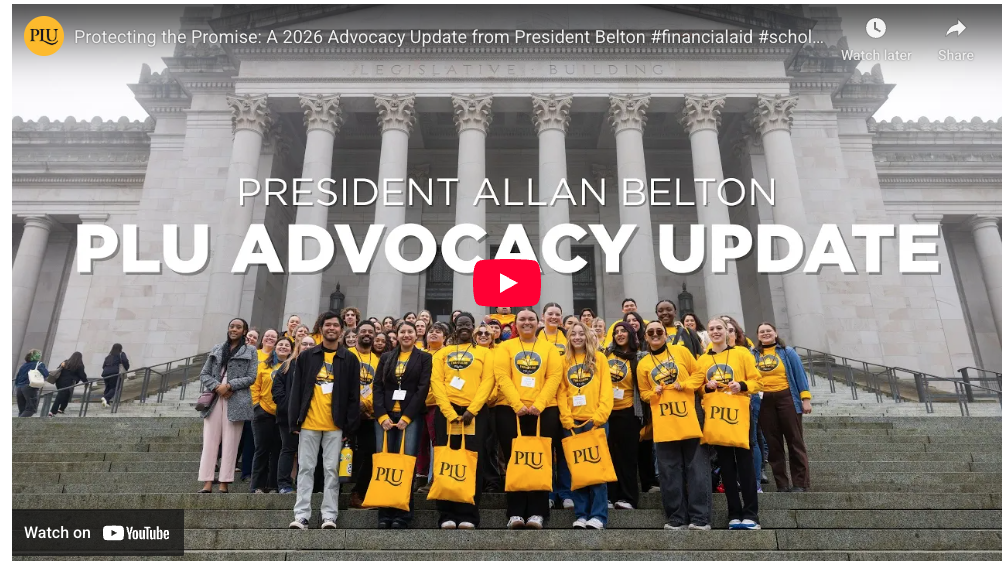
screenshot of the Youtube video thumbnail
Our continued advocacy and a message from President Belton 1006 568 Sophia Lana Castro

Our continued advocacy and a message from President Belton

Thank You for Your Advocacy Efforts

We want to thank you for all of your efforts in our advocacy journey. From signing in PRO for SB 5828, signing-up for our newsletter, and attending our events. Our efforts definitely did not go unnoticed. You definitely made sure that your PLU story was heard and showed how important it is for every student in Washington to get a choice in what their college education experience is.

To share our gratitude for your advocacy efforts, we hope you will join the Student Advocacy Fellows on April 9th at 5:30 PM in the AUC, Scandinavian Cultural Center, to hear our legislative wrap-up and celebrate the great momentum we have built as we begin planning for the 2027 legislative session.

Update on SB 5828

Despite our incredible efforts from you, students, faculty, and our PLU community, SB 5828 did not pass the 2026 Legislative Session. While this was not the outcome we were hoping for, we will continue on with our advocacy efforts! We have the power and numbers, PLU’s community has not disappointed us, and we hope this provides us with a good trajectory for next year’s legislative session! Next year’s legislative session will be a longer session, and we are committed to continuing the fight for a new sponsored bill for next year!

A Message from President Belton

Please take a moment to watch this video message from President Belton regarding the results of this session and our path forward:

What Can You Do Now?

Next year, we will be going into a longer legislative session, and we will use it to our advantage! Here are some things you will be able to do while we prepare for next year’s legislative session.

  1. Follow us on instagram @studentvoiceplu – Keep up to date with what we have going on with our advocacy journey and prepare with us for next year.
  2. Keep the communication with your senators and representatives – keeping the communication and staying informed with what they have going on is important to your advocacy journey!
  3. Attend town halls and pre-session meetings, and spread the word that PLU values and supports the idea that every student in the state of Washington has the choice of where they obtain their post-secondary education.
  4. Apply to be a Student Advocacy Fellow! – We are looking for more fellows to continue our advocacy journey, and we want YOU to apply! You have already seen what we can do now, just as students, so consider becoming a fellow to be a part of the behind-the-scenes of PLU’s advocacy journey directly. If you are interested in applying, email MacKenzie Hines at studentvoice@plu.edu.
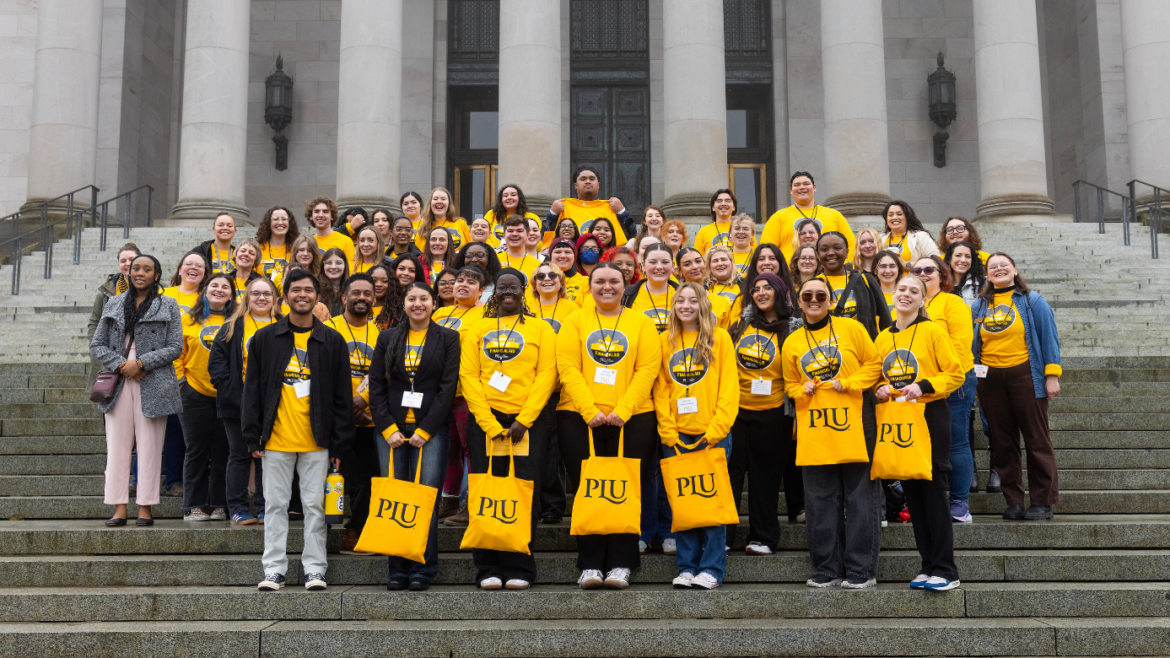
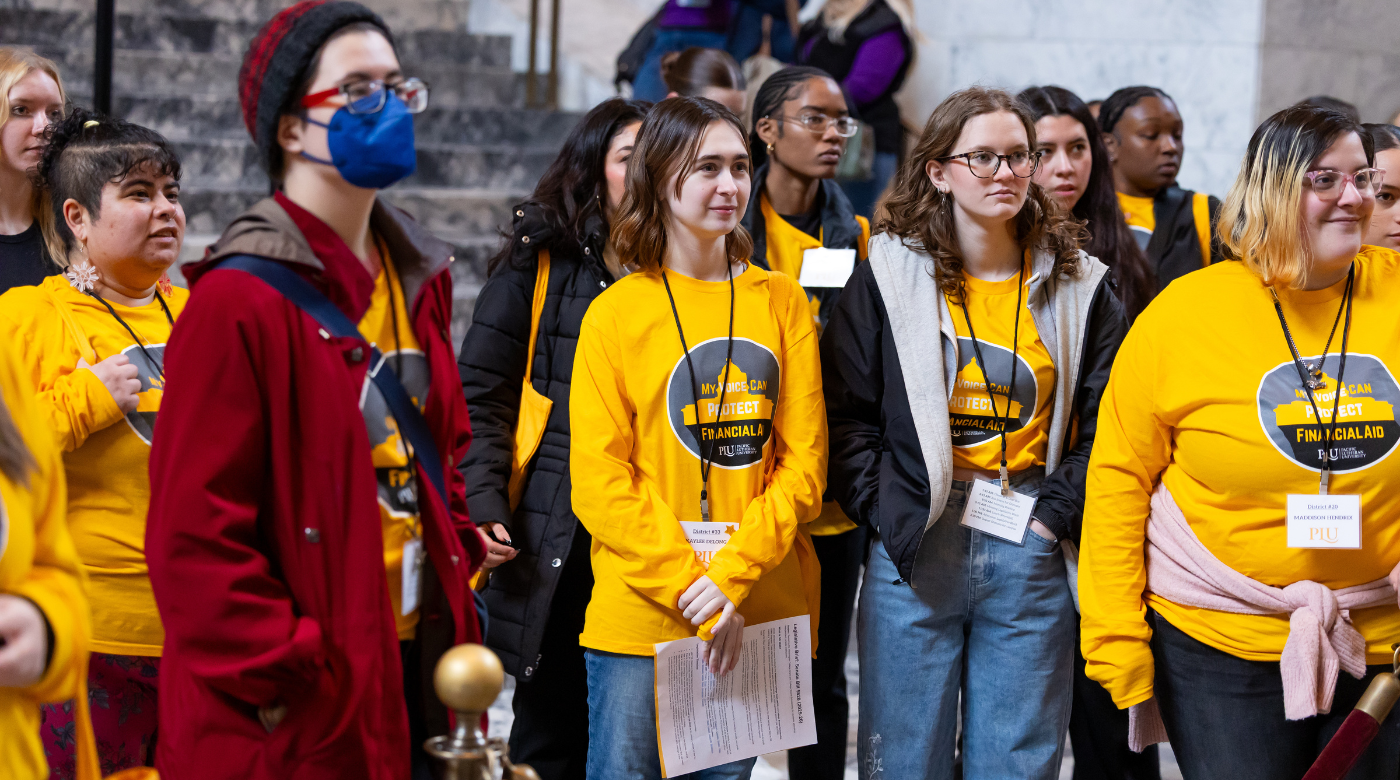
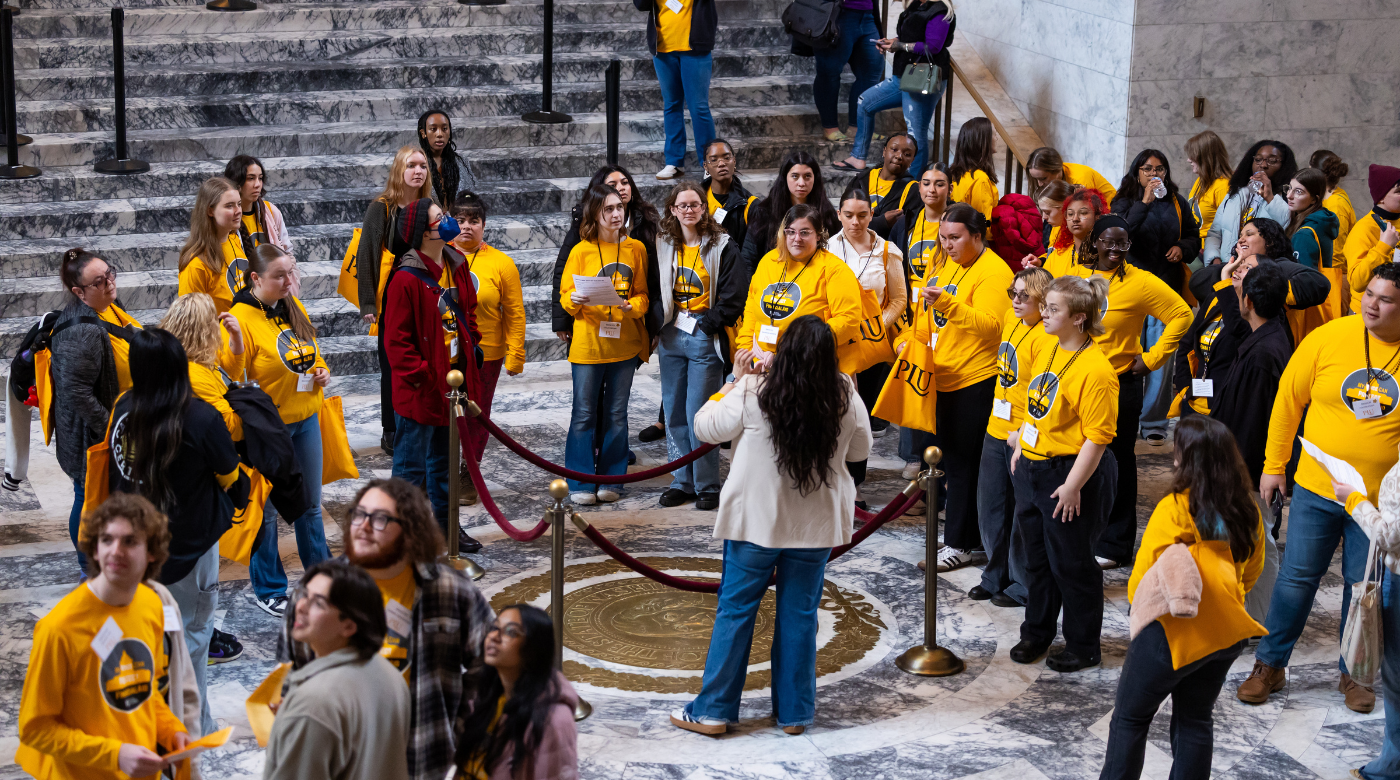
PLU students tand on the steps for lobby day.
We Did That! Lobby Day Success & Your Next Steps 1024 571 Sophia Lana Castro

We Did That! Lobby Day Success & Your Next Steps

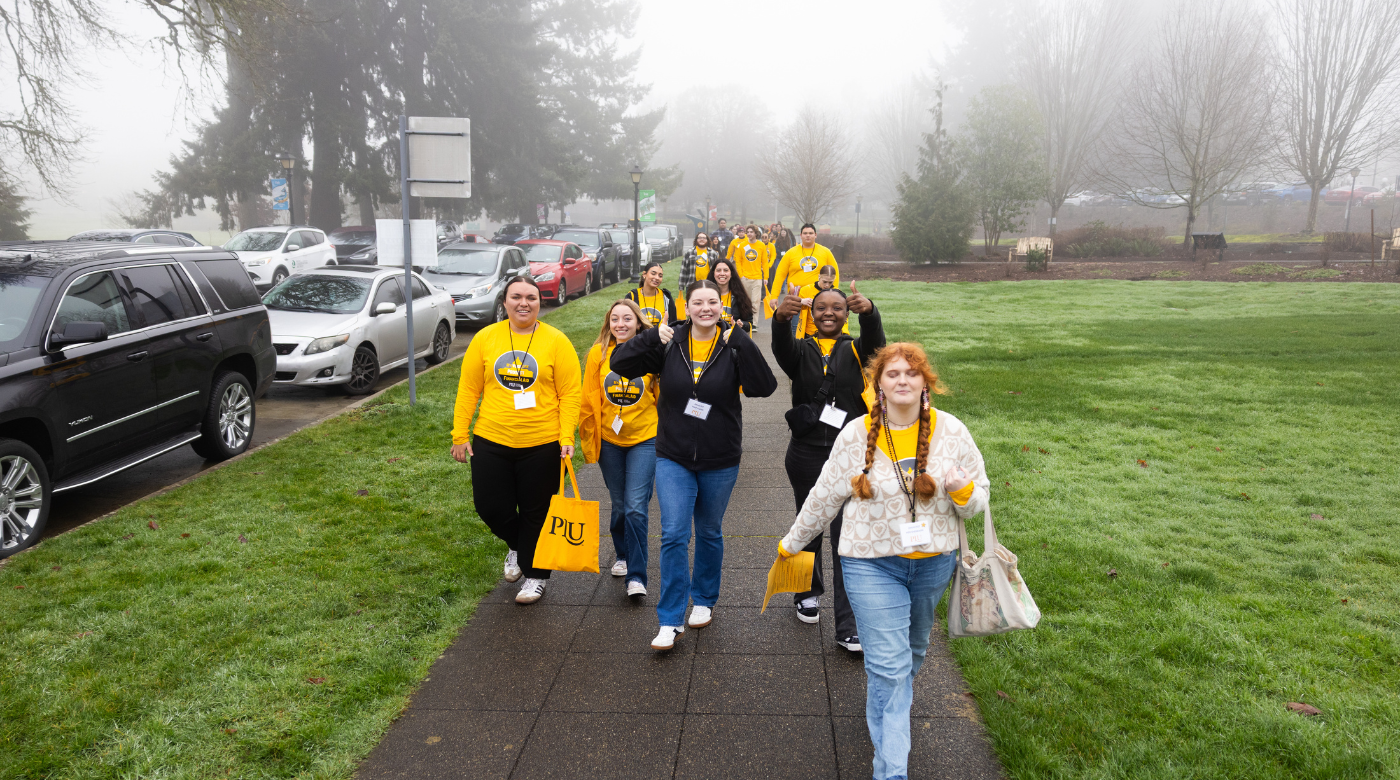
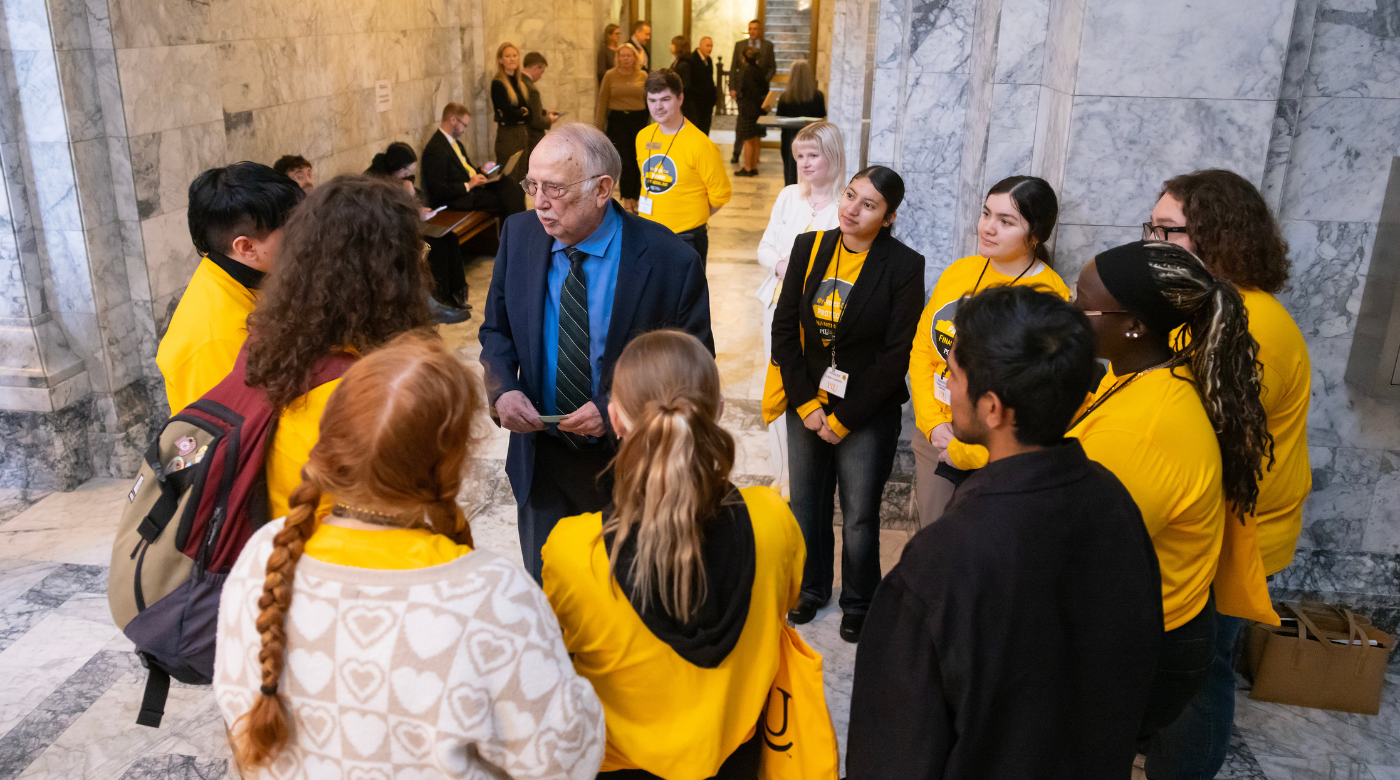
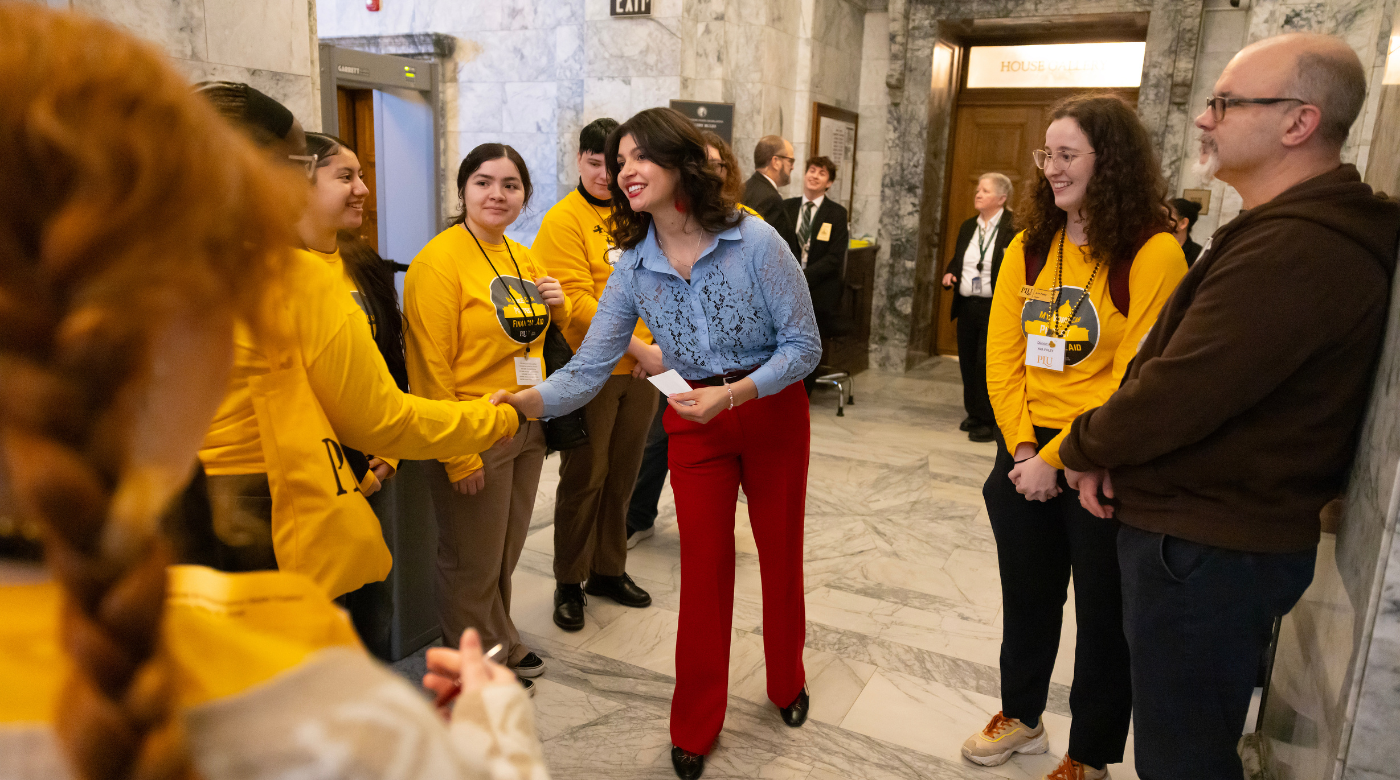
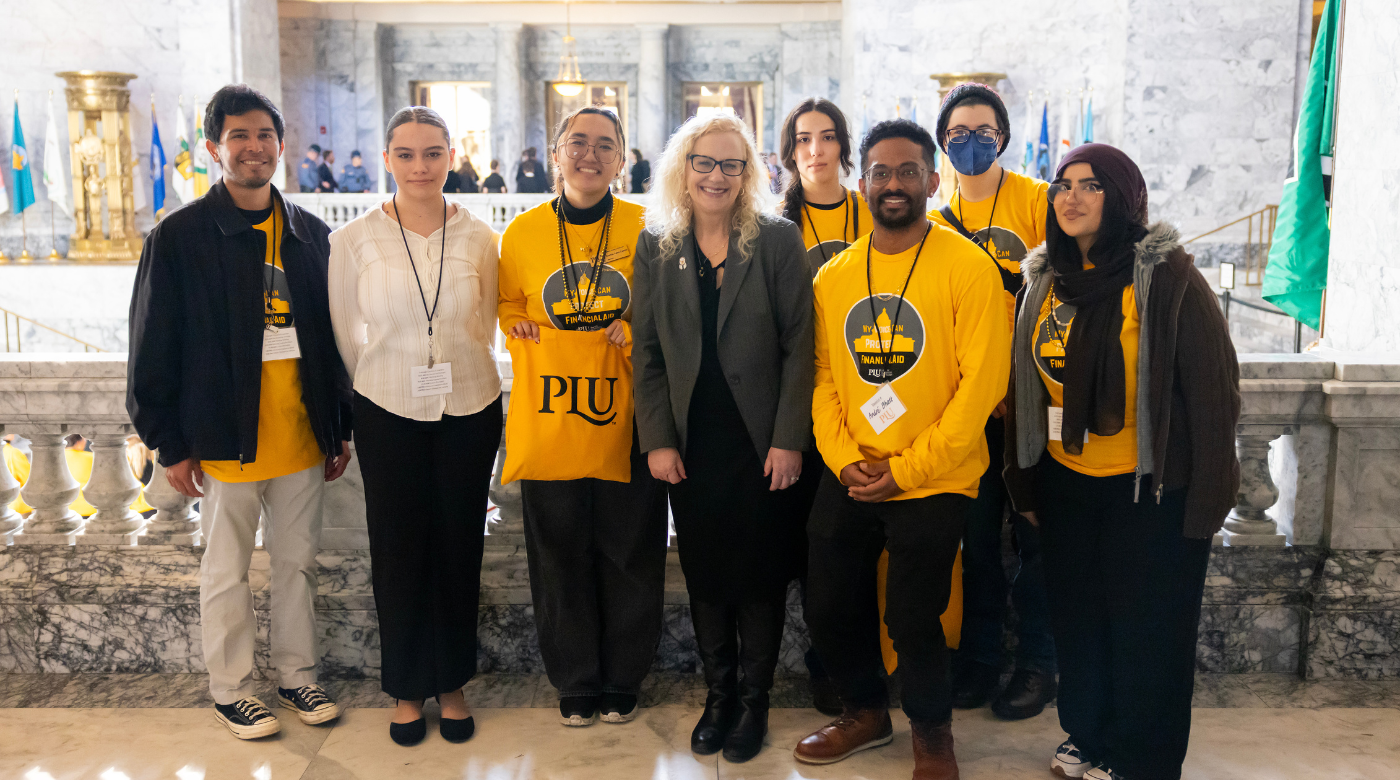
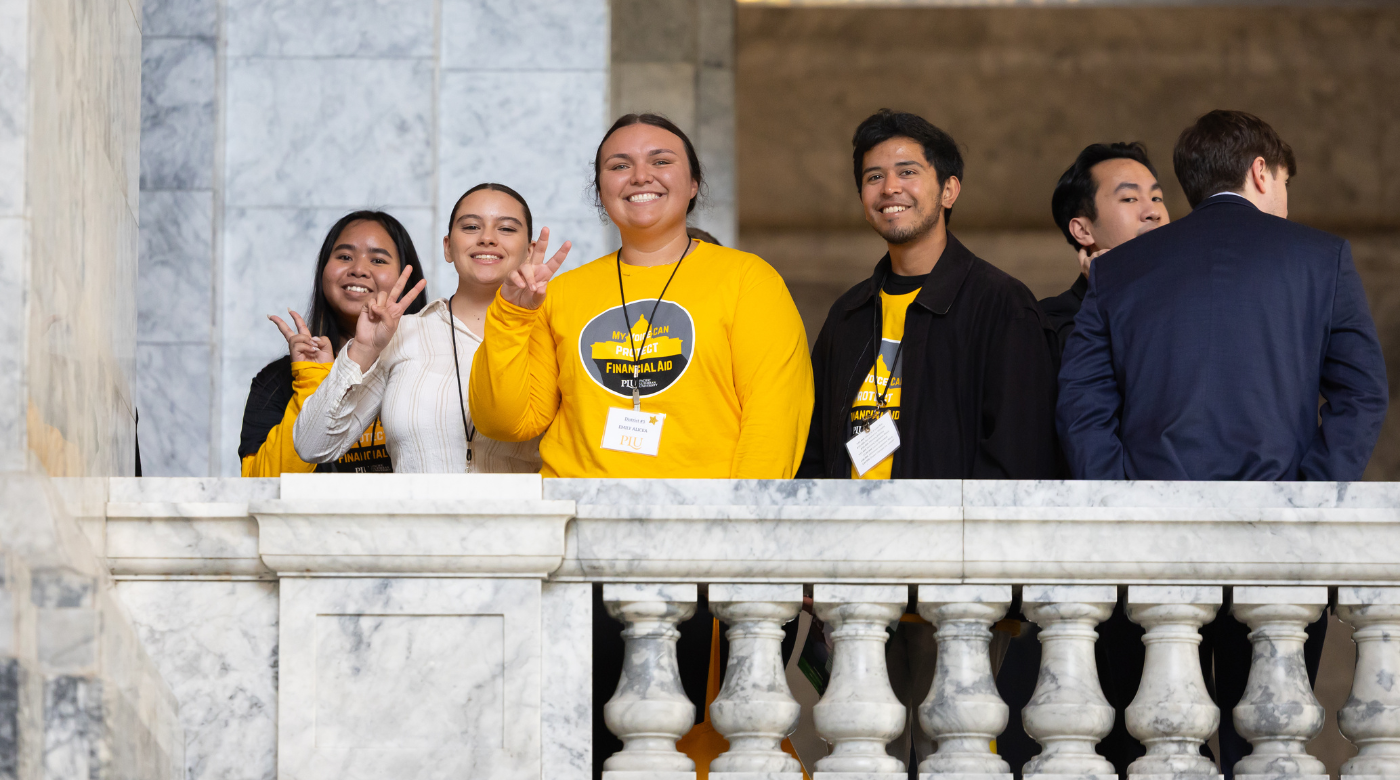
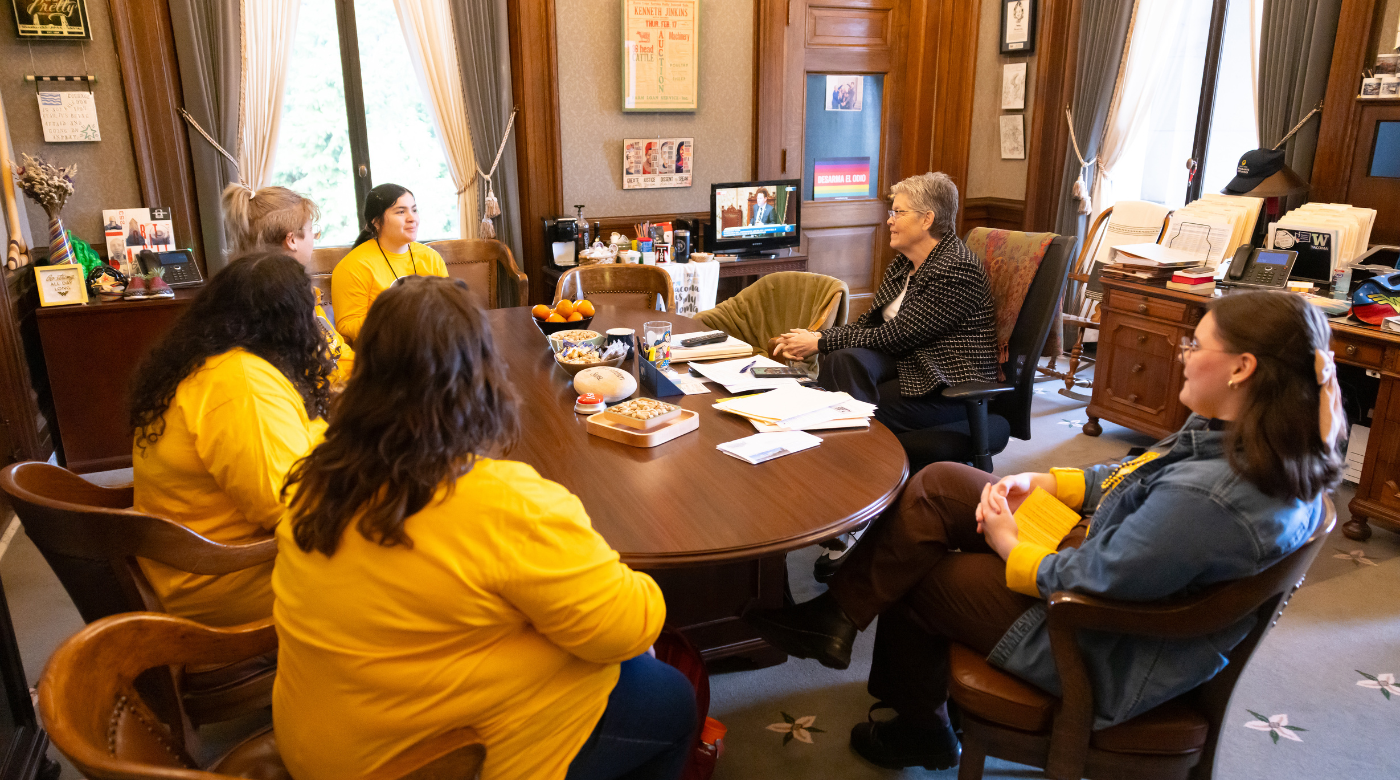
Lutes in Olympia! On February 10th, 53 PLU students headed to Olympia to show the power of collective voice. We spent the day championing the full restoration of the College Bound Scholarship and the Washington College Grant. From meeting directly with representatives to sitting in on floor sessions, our community showed the state exactly what PLU advocacy looks like.

But the work doesn’t stop just because we’re back on campus. Whether you were on the bus or cheering us on from campus, here is how you can keep the momentum going:

📍 If You Missed Lobby Day (Or Didn’t Meet Your Legislators)

It’s not too late to make your voice heard! Legislators need to know that student financial aid is a priority for their constituents.

  • Find Your District: Use the Washington State District Finder and plug in your address (home or school) to see who represents you.
  • Send an Email: Get their contact info and send a brief, polite message.
  • The Big Ask: Tell them you are a PLU student and ask them to support SB 5828. Explain that this bill is vital to restoring the promise of the College Bound Scholarship for you and your classmates.

✉️ If You Met With a Legislator

First off, thank you for showing up! Personal stories are the most powerful tool we have. Make sure you follow up:

  • The “Thank You” Note: Find your legislator’s contact info and send a quick thank-you email today. You can find this at leg.wa.gov.
  • Make it Personal: Briefly remind them of who you are and why your story is unique to PLU. Personal anecdotes stick with legislators much longer than statistics.
  • The Double Ask: Explicitly ask them to support SB 5828. We need both to ensure a full restoration of the College Bound Scholarship!

Why this matters:

Washington College Grant and College Bound scholarships are the backbone of college accessibility. By taking five minutes to send an email, you are directly protecting the financial future of current and future Lutes.

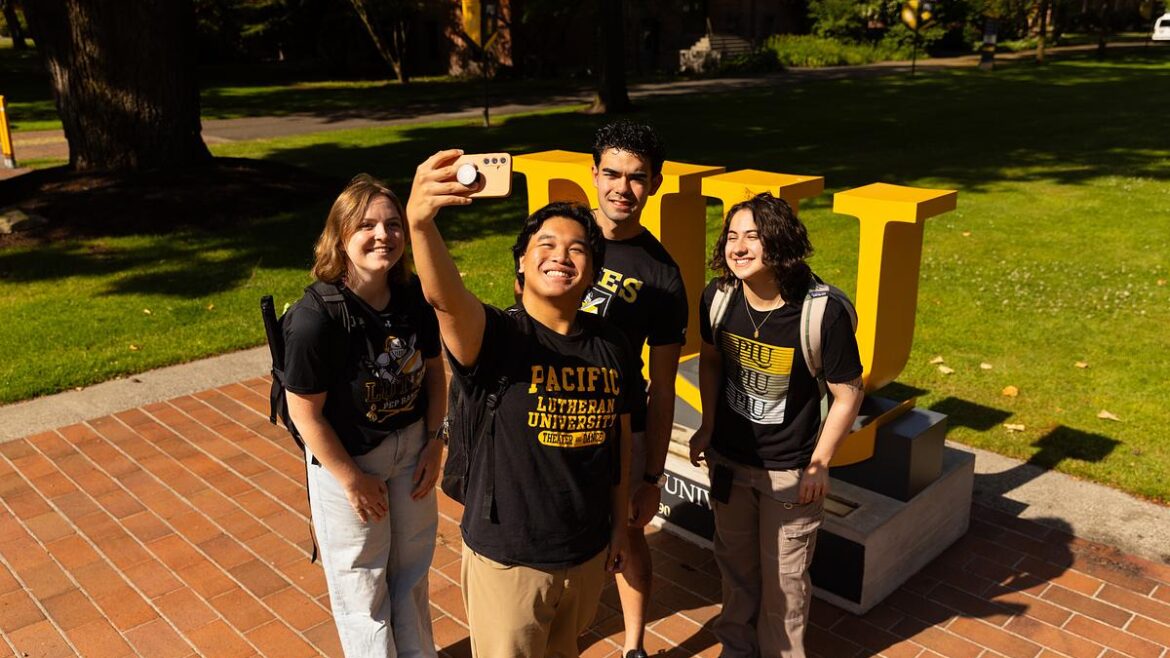
Photo of students wearing PLU gear, outside taking a group selfie.
Here’s How You Can Prepare for Lobby Day 1024 683 Sophia Lana Castro

Here’s How You Can Prepare for Lobby Day

What is Lobby Day?

We’ve been hyping up Lobby Day these past couple of weeks. But what is it exactly? Lobby Day is an opportunity for you, as students, to voice your concerns about cuts to Washington State financial aid and their impact on PLU students. This is where we, as student fellows, have planned for you to meet with your representatives to voice concerns for yourself, a roommate, a friend, or your classmates.

Why You Should Come to Lobby Day (and Why You Shouldn’t Be Nervous!)

Yes, talking to your representatives can seem scary, but it doesn’t have to be. Our representatives are human, and they are here to serve you! As part of the PLU community, you have the right to be heard, and we are making sure you feel 100% prepared.

We will provide you with clear talking points before you start, so you’ll never be at a loss for words. Plus, you will visit legislators in small groups, never individually. You will have others right there with you the whole time! And if you’re worried about class, don’t be! Faculty are supportive of this event and are ready to allow students to participate!

We’ve got the logistics covered, too! You don’t need to worry about driving or buying food, we are providing round-trip transportation, a lunch to keep you fueled, and a Lobby Day t-shirt. We’ll have all the materials you might need on hand. Just bring yourself and your passion, and we’ll handle the rest.

So, encourage your roommate, friends, and classmates to join us on Lobby Day. Let’s make our voices heard and protect financial aid, we are stronger in numbers!

Lobby Day Agenda: A Snapshot

Please note: This schedule is tentative pending the final legislative calendar

  • 8:00 AM — Meet on Campus & Load the Bus
  • 8:15 AM — Depart for Olympia
  • 8:45 AM — Arrive at St. John’s Episcopal Church (4 blocks from the Capitol)
  • 8:50 AM — Group Meeting & Briefing with President, Lobbyist, Student Advocacy Fellows
  • 9:15 AM — Head to the Capitol to meet with Legislators (Meetings or Committee Hearings)
  • 12:00 PM — Lunch Break
  • 1:00 PM — Return to Capitol (Meetings or Committee Hearings)
  • 4:00 PM — Depart for Campus

Did we convince you?!

Two students holding up PLU signs and smiling at the camera.
Register for PLU Student Lobby Day 1024 683 Sophia Lana Castro

Register for PLU Student Lobby Day

Advocacy isn’t just a concept—it’s an action. As we explored in How to be an Advocate, using your voice is about building strength, connection, and resistance alongside the people around you. It is about turning your motivation into movement.

On Tuesday, February 10, 2026, you have the chance to take that movement directly to the steps of the Capitol.

Turning Motivation into Action

Join your fellow students on a delegation to Olympia, WA, to advocate directly to state legislators. This isn’t just a field trip; it is a critical opportunity to defend the essential financial aid programs that make our community possible, including the College Bound Scholarship and the Washington College Grant.

By participating, you aren’t just speaking for yourself. You are helping secure the future of financial access for current and prospective PLU students. You are ensuring that the door remains open for those who come next.

The Details

When: Tuesday, February 10, 2026
Time: 8:00 AM – 4:00 PM PST
Where: Bus departs from PLU to Olympia, WA

Advocacy is a way to pave a path forward for ourselves and those around us. It can be intimidating to speak to legislators, but remember: power is in numbers. You won’t be alone; you’ll be with a bus full of fellow Lutes ready to make an impact.

Secure Your Spot

We are looking for students ready to turn their passion into policy. Space on the bus is limited, and submitting your interest early is key.

Important Registration Notice

Please note that submitting the form expresses your interest in joining the delegation, but it does not guarantee a seat on the bus. Due to limited capacity, we will be confirming attendance individually. You will be notified whether you have a reserved spot no later than the first week of January 2026.

We look forward to advocating with you! If you have any questions, please email studentvoice@plu.edu.

Lutes stand together! My voice can protect financial aid.

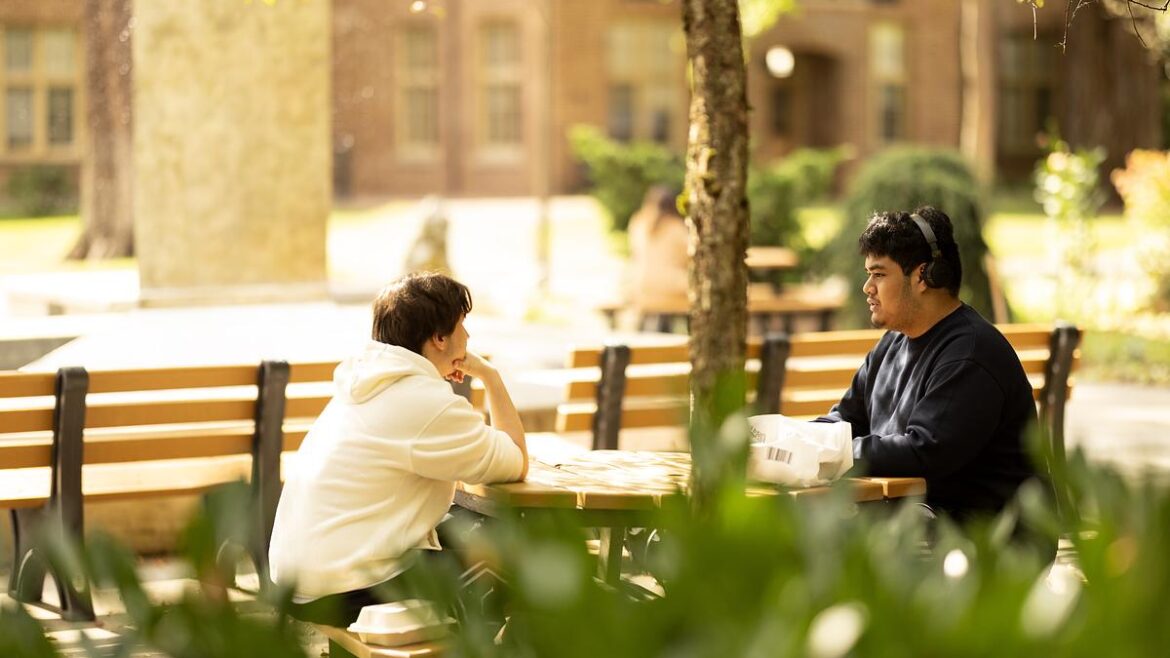
Two students talking outside at a picnic table
What You Need to Tell a Good Story 1024 683 Sophia Lana Castro

What You Need to Tell a Good Story

How to Tell a Story That Protects Student Aid

During our storytelling workshop this semester, we shared some tips on how to become a better storyteller. (Remember, you are already one!)

What is Your Power Word?

We started the evening off by presenting our power word, a word that represents one of your core values. We each shared a moment of pride or challenge that we’ve experienced here at PLU, and got into the meat and potatoes of what it means to be a storyteller!

But once you have your power word, how do you structure that story to advocate for things like the Washington College Grant and College Bound?

The “Head, Heart, Hands” Formula

To tell a good story, you can follow a simple formula. A good story showcases the whole picture in a structured format: the facts, the emotions, and what the audience can do after listening.

Stories in advocacy are a way to connect with people, encouraging them to take action; it’s the best way to connect your power word to real change.

The Head This includes the facts and the data. It showcases what needs to be changed and what is being challenged. In our case, this is the funding for the Washington College Grant and College Bound.

The Heart This includes the why, the emotional moment, and the connection between you and the audience. This helps you and the listener connect with one another and should take up most of your story. This is where your Power Word shines.

The Hands This includes what the audience can do after listening to your story. It’s the call to action; what can they do right now to help your cause?

Now pull your story together

If you weren’t able to come to our workshop, that’s alright! You can still build your story right now. Here is how to apply the formula to help protect financial aid.

Step 1: Find the Impact

Think about one positive impact PLU has had on your life that you wouldn’t be able to get anywhere else. This could be:

  • A scholarship (like the Washington College Bound Scholarship!)
  • A specific class
  • A specific faculty member or professor
  • It can be about anything!
Step 2: Find the “Heart”

How has that impact changed your life? Sit down and write how this specific impact has changed your college or adult life. Take five minutes to write this moment down, and you have your why; you have the heart of your story.

You can also follow along and complete the worksheet that was given during the workshop session to help map out your PLU story!

You Now Have the Basis of Your PLU Story!

Now all you need to do is practice. We want you to feel engaged and comfortable enough to share your PLU story with the people who make decisions about our financial aid.

In the meantime, check out our Instagram page to see what the fellows have said about what their power word means to them!

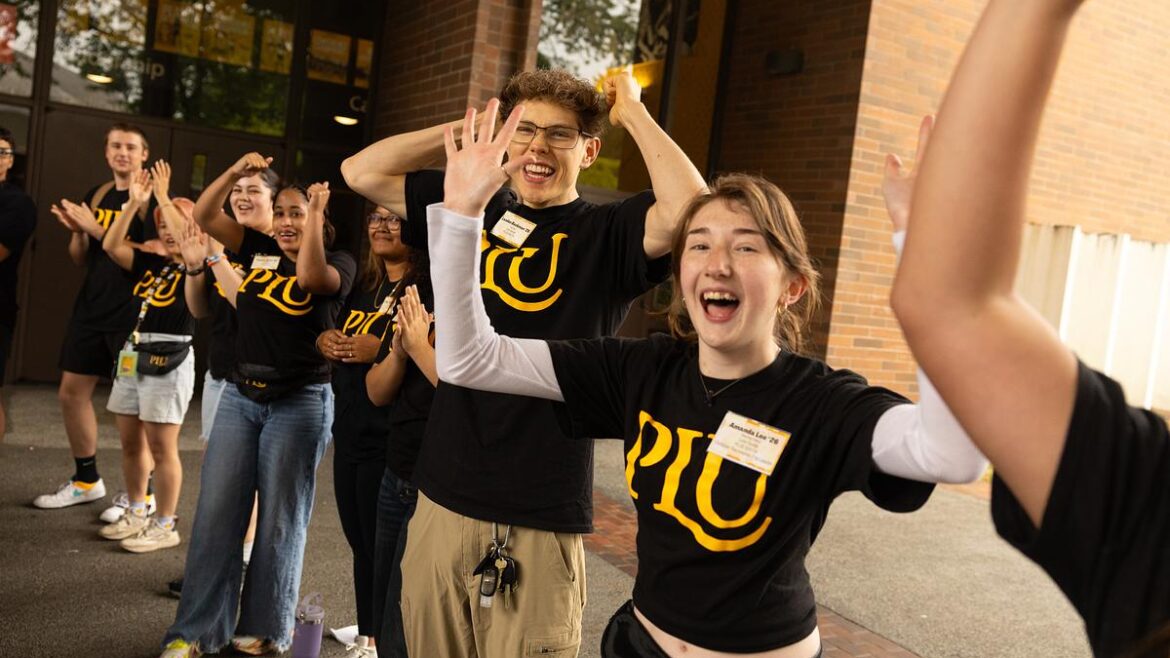
Students stand outside cheering with their hands in the air
How to be a Storyteller 1024 683 Sophia Lana Castro

How to be a Storyteller

What is Storytelling?

Storytelling is connecting the numbers to a facedata to a person. It helps connect with others on a human level, in a form that cannot be replaced. Your stories are not just your experiences; they are powerful tools for change.

You Are Already a Storyteller

Storytelling is the oldest form of communication. Stories have been used to share cultures, traditions, and life lessons in a more consumable manner. We’re all storytellers in some form. We’ve told stories to our family or friends so that we can connect with them; we all have a story about how we got here. Our stories have the potential to impact the lives of others and ourselves.

The Influence of Storytelling for Advocacy

When we have numbers or statistics thrown at us we can feel overwhelmed or disconnected. They have a numerical value, but there’s no human connection behind them. The recent changes to the Washington College Bound Scholarship will impact 1 in 4 students at PLU, but what does that really mean? It means your friends, roommates, and classmates are facing a loss of financial aid, putting their access to opportunity at stake. While statistics tell legislators what is happening, your unique personal story, or the story of a friend, is what moves them to action. Providing the emotional leverage needed to effectively change the legislation. By showcasing your experiences as students alongside the numbers, your narrative becomes the most powerful and memorable tool we have to influence this legislation.

The Uniqueness of Storytelling – Why Should You Tell Your Story?

No one can tell your story. No one can live your life, feel your feelings, or think your thoughts. This is something that is uniquely yours. Your lived experiences, your thoughts, your connections can help the people around you. To make meaningful change requires the bravery to be vulnerable. Vulnerability helps us connect with others like us; it creates a community we can fall back on. Telling stories from different perspectives creates a fuller picture of understanding on how this issue is impacting the PLU community. Lean on your community in sharing your story because you’re already a storyteller!

Students sitting outside looking at books and labtops
How to be an Advocate 1024 683 Sophia Lana Castro

How to be an Advocate

What is Advocacy?

Advocacy – public support for or recommendation of a particular cause or policy as defined by Oxford Languages.

But that’s the fancy people. The clinical and straightforward definition of what advocacy is. Advocacy, to me, is connecting and building strength and resistance with the people around you. It’s a way for me to feel empowered in a time of disempowerment of the people. It’s community, building connections, and opening doors towards new opportunities.

Intimidating or Empowering?

Advocacy is a big word. It can be scary, it can be intimidating, but it doesn’t have to be. It’s motivated interest, replacement of that sense of fear. It’s a way of empowerment and a chance for you to use your voice for something you care about. It can also be a place where you can learn from those around you with varying perspectives to enact change. But don’t worry, you won’t be alone in this new journey. Advocacy is a source of community building and connection. To uplift your voice with the help of others around you.

Words from a Fellow Advocate

Joseph R. Campbell, a board member for Play It On, a non-profit that supports kids in their sporting endeavors, gives us five easy steps to becoming advocates!

​​​​​​Lock down those motivations!
Establish some role models (or become one yourself)!
Understand your historical context!
Focus on your beliefs and motivations!
A way forward!

In Other Words

  1. Turn your fear and uncertainty into motivation. Fear stops you in your tracks. Motivation moves you forward.
  2. Look towards someone as a guide in times of uncertainty or become someone you want to believe in. Someone you admire.
  3. Many of the rights we have today were not given to us easily. People before us fought so that we could stand here today. It’s important to remember that, and it’s up to us to keep their fight within us to protect what they fought for.
  4. Be mindful and focus on the task at hand. Focusing on what you believe in instead of the fear helps you move forward.
  5. Advocacy is a way to stay focused and motivated to enact change. It’s a path forward.

A Slow-Moving Process with Focus

Advocacy is not something that is one and done; it is a slow-moving process. The work we establish now will continue to grow in the future, but alongside this growth, you will grow as a person. Don’t be discouraged if we don’t see an immediate impact. It’s about sustainability, to sustain the fight and the impact we make today for our future. Being an advocate means continuing the work of those who came before you and sustaining a legacy for those who will come after you. Be that way forward, you have the power, and nobody will be able to stop you once you start going. Use your voice because no one will ever be able to take that away from you.

A Way Forward

Advocacy is a way for us to pave a way forward for ourselves and those around us; it’s speaking up. Speaking out doesn’t isolate you; it’s a way to connect with others during uncertainty or restlessness. Encourage your loved ones to step up and vote. Encourage your peers, friends, and loved ones to step up and tell their stories. Be a part of the power that helps preserve the work PLU has done for many students and for those after us. Be brave enough to step up, because power is in numbers. Lutes stand together!