Posts Tagged :

Advocate

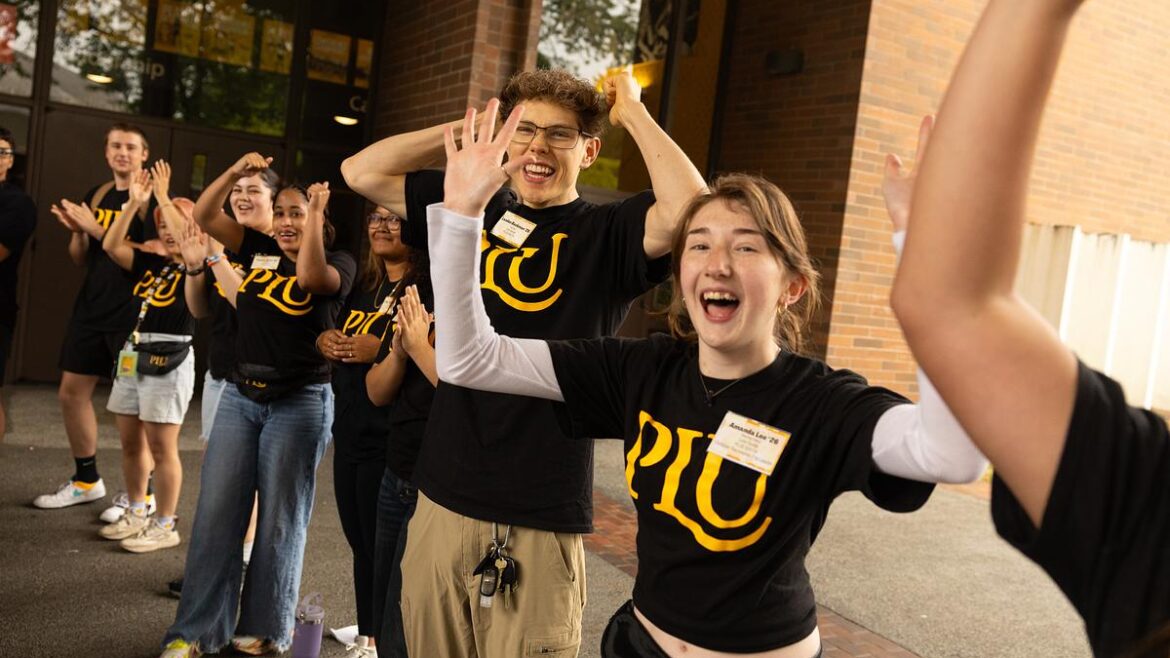
Students stand outside cheering with their hands in the air
How to be a Storyteller 1024 683 Sophia Lana Castro

How to be a Storyteller

What is Storytelling?

Storytelling is connecting the numbers to a facedata to a person. It helps connect with others on a human level, in a form that cannot be replaced. Your stories are not just your experiences; they are powerful tools for change.

You Are Already a Storyteller

Storytelling is the oldest form of communication. Stories have been used to share cultures, traditions, and life lessons in a more consumable manner. We’re all storytellers in some form. We’ve told stories to our family or friends so that we can connect with them; we all have a story about how we got here. Our stories have the potential to impact the lives of others and ourselves.

The Influence of Storytelling for Advocacy

When we have numbers or statistics thrown at us we can feel overwhelmed or disconnected. They have a numerical value, but there’s no human connection behind them. The recent changes to the Washington College Bound Scholarship will impact 1 in 4 students at PLU, but what does that really mean? It means your friends, roommates, and classmates are facing a loss of financial aid, putting their access to opportunity at stake. While statistics tell legislators what is happening, your unique personal story, or the story of a friend, is what moves them to action. Providing the emotional leverage needed to effectively change the legislation. By showcasing your experiences as students alongside the numbers, your narrative becomes the most powerful and memorable tool we have to influence this legislation.

The Uniqueness of Storytelling – Why Should You Tell Your Story?

No one can tell your story. No one can live your life, feel your feelings, or think your thoughts. This is something that is uniquely yours. Your lived experiences, your thoughts, your connections can help the people around you. To make meaningful change requires the bravery to be vulnerable. Vulnerability helps us connect with others like us; it creates a community we can fall back on. Telling stories from different perspectives creates a fuller picture of understanding on how this issue is impacting the PLU community. Lean on your community in sharing your story because you’re already a storyteller!

Students sitting outside looking at books and labtops
How to be an Advocate 1024 683 Sophia Lana Castro

How to be an Advocate

What is Advocacy?

Advocacy – public support for or recommendation of a particular cause or policy as defined by Oxford Languages.

But that’s the fancy people. The clinical and straightforward definition of what advocacy is. Advocacy, to me, is connecting and building strength and resistance with the people around you. It’s a way for me to feel empowered in a time of disempowerment of the people. It’s community, building connections, and opening doors towards new opportunities.

Intimidating or Empowering?

Advocacy is a big word. It can be scary, it can be intimidating, but it doesn’t have to be. It’s motivated interest, replacement of that sense of fear. It’s a way of empowerment and a chance for you to use your voice for something you care about. It can also be a place where you can learn from those around you with varying perspectives to enact change. But don’t worry, you won’t be alone in this new journey. Advocacy is a source of community building and connection. To uplift your voice with the help of others around you.

Words from a Fellow Advocate

Joseph R. Campbell, a board member for Play It On, a non-profit that supports kids in their sporting endeavors, gives us five easy steps to becoming advocates!

​​​​​​Lock down those motivations!
Establish some role models (or become one yourself)!
Understand your historical context!
Focus on your beliefs and motivations!
A way forward!

In Other Words

  1. Turn your fear and uncertainty into motivation. Fear stops you in your tracks. Motivation moves you forward.
  2. Look towards someone as a guide in times of uncertainty or become someone you want to believe in. Someone you admire.
  3. Many of the rights we have today were not given to us easily. People before us fought so that we could stand here today. It’s important to remember that, and it’s up to us to keep their fight within us to protect what they fought for.
  4. Be mindful and focus on the task at hand. Focusing on what you believe in instead of the fear helps you move forward.
  5. Advocacy is a way to stay focused and motivated to enact change. It’s a path forward.

A Slow-Moving Process with Focus

Advocacy is not something that is one and done; it is a slow-moving process. The work we establish now will continue to grow in the future, but alongside this growth, you will grow as a person. Don’t be discouraged if we don’t see an immediate impact. It’s about sustainability, to sustain the fight and the impact we make today for our future. Being an advocate means continuing the work of those who came before you and sustaining a legacy for those who will come after you. Be that way forward, you have the power, and nobody will be able to stop you once you start going. Use your voice because no one will ever be able to take that away from you.

A Way Forward

Advocacy is a way for us to pave a way forward for ourselves and those around us; it’s speaking up. Speaking out doesn’t isolate you; it’s a way to connect with others during uncertainty or restlessness. Encourage your loved ones to step up and vote. Encourage your peers, friends, and loved ones to step up and tell their stories. Be a part of the power that helps preserve the work PLU has done for many students and for those after us. Be brave enough to step up, because power is in numbers. Lutes stand together!