Posts Tagged :

Storytelling

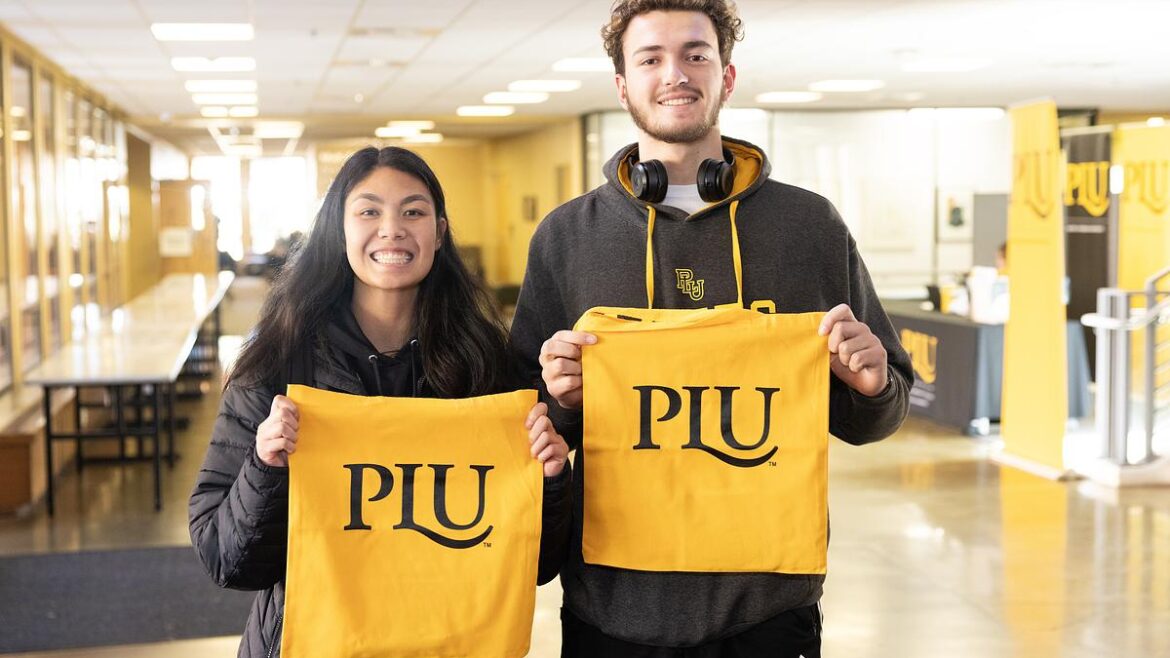
Two students holding up PLU signs and smiling at the camera.
Register for PLU Student Lobby Day 1024 683 Sophia Lana Castro

Register for PLU Student Lobby Day

Advocacy isn’t just a concept—it’s an action. As we explored in How to be an Advocate, using your voice is about building strength, connection, and resistance alongside the people around you. It is about turning your motivation into movement.

On Tuesday, February 10, 2026, you have the chance to take that movement directly to the steps of the Capitol.

Turning Motivation into Action

Join your fellow students on a delegation to Olympia, WA, to advocate directly to state legislators. This isn’t just a field trip; it is a critical opportunity to defend the essential financial aid programs that make our community possible, including the College Bound Scholarship and the Washington College Grant.

By participating, you aren’t just speaking for yourself. You are helping secure the future of financial access for current and prospective PLU students. You are ensuring that the door remains open for those who come next.

The Details

When: Tuesday, February 10, 2026
Time: 8:00 AM – 4:00 PM PST
Where: Bus departs from PLU to Olympia, WA

Advocacy is a way to pave a path forward for ourselves and those around us. It can be intimidating to speak to legislators, but remember: power is in numbers. You won’t be alone; you’ll be with a bus full of fellow Lutes ready to make an impact.

Secure Your Spot

We are looking for students ready to turn their passion into policy. Space on the bus is limited, and submitting your interest early is key.

Important Registration Notice

Please note that submitting the form expresses your interest in joining the delegation, but it does not guarantee a seat on the bus. Due to limited capacity, we will be confirming attendance individually. You will be notified whether you have a reserved spot no later than the first week of January 2026.

We look forward to advocating with you! If you have any questions, please email studentvoice@plu.edu.

Lutes stand together! My voice can protect financial aid.

Two students talking outside at a picnic table
What You Need to Tell a Good Story 1024 683 Sophia Lana Castro

What You Need to Tell a Good Story

How to Tell a Story That Protects Student Aid

During our storytelling workshop this semester, we shared some tips on how to become a better storyteller. (Remember, you are already one!)

What is Your Power Word?

We started the evening off by presenting our power word, a word that represents one of your core values. We each shared a moment of pride or challenge that we’ve experienced here at PLU, and got into the meat and potatoes of what it means to be a storyteller!

But once you have your power word, how do you structure that story to advocate for things like the Washington College Grant and College Bound?

The “Head, Heart, Hands” Formula

To tell a good story, you can follow a simple formula. A good story showcases the whole picture in a structured format: the facts, the emotions, and what the audience can do after listening.

Stories in advocacy are a way to connect with people, encouraging them to take action; it’s the best way to connect your power word to real change.

The Head This includes the facts and the data. It showcases what needs to be changed and what is being challenged. In our case, this is the funding for the Washington College Grant and College Bound.

The Heart This includes the why, the emotional moment, and the connection between you and the audience. This helps you and the listener connect with one another and should take up most of your story. This is where your Power Word shines.

The Hands This includes what the audience can do after listening to your story. It’s the call to action; what can they do right now to help your cause?

Now pull your story together

If you weren’t able to come to our workshop, that’s alright! You can still build your story right now. Here is how to apply the formula to help protect financial aid.

Step 1: Find the Impact

Think about one positive impact PLU has had on your life that you wouldn’t be able to get anywhere else. This could be:

  • A scholarship (like the Washington College Bound Scholarship!)
  • A specific class
  • A specific faculty member or professor
  • It can be about anything!
Step 2: Find the “Heart”

How has that impact changed your life? Sit down and write how this specific impact has changed your college or adult life. Take five minutes to write this moment down, and you have your why; you have the heart of your story.

You can also follow along and complete the worksheet that was given during the workshop session to help map out your PLU story!

You Now Have the Basis of Your PLU Story!

Now all you need to do is practice. We want you to feel engaged and comfortable enough to share your PLU story with the people who make decisions about our financial aid.

In the meantime, check out our Instagram page to see what the fellows have said about what their power word means to them!

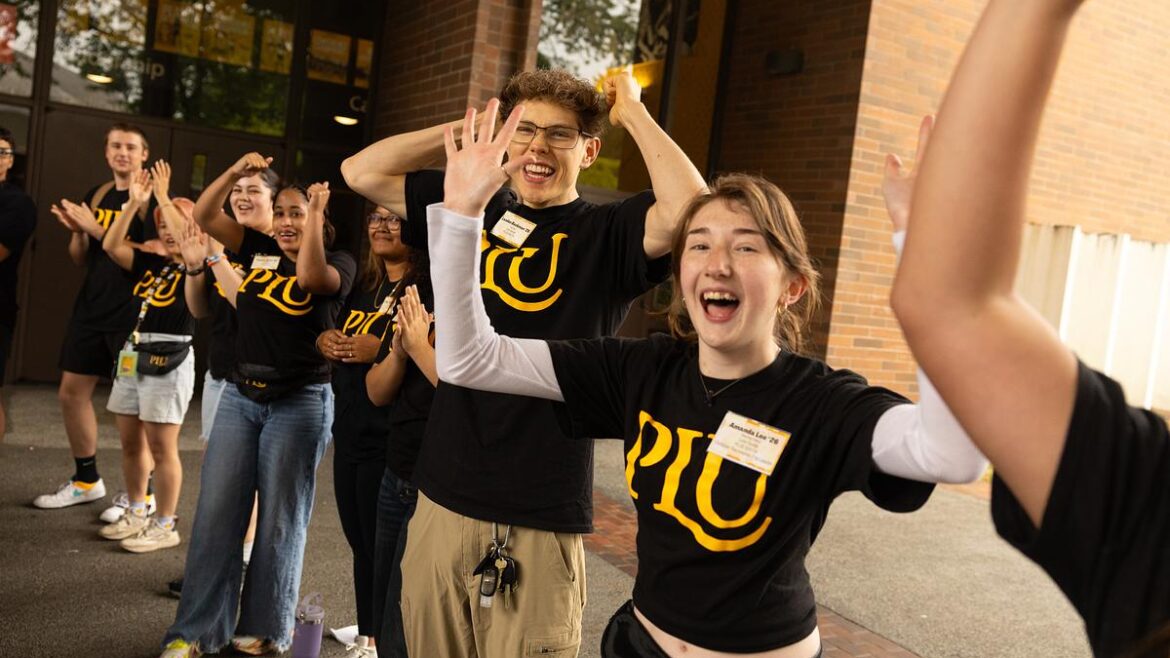
Students stand outside cheering with their hands in the air
How to be a Storyteller 1024 683 Sophia Lana Castro

How to be a Storyteller

What is Storytelling?

Storytelling is connecting the numbers to a facedata to a person. It helps connect with others on a human level, in a form that cannot be replaced. Your stories are not just your experiences; they are powerful tools for change.

You Are Already a Storyteller

Storytelling is the oldest form of communication. Stories have been used to share cultures, traditions, and life lessons in a more consumable manner. We’re all storytellers in some form. We’ve told stories to our family or friends so that we can connect with them; we all have a story about how we got here. Our stories have the potential to impact the lives of others and ourselves.

The Influence of Storytelling for Advocacy

When we have numbers or statistics thrown at us we can feel overwhelmed or disconnected. They have a numerical value, but there’s no human connection behind them. The recent changes to the Washington College Bound Scholarship will impact 1 in 4 students at PLU, but what does that really mean? It means your friends, roommates, and classmates are facing a loss of financial aid, putting their access to opportunity at stake. While statistics tell legislators what is happening, your unique personal story, or the story of a friend, is what moves them to action. Providing the emotional leverage needed to effectively change the legislation. By showcasing your experiences as students alongside the numbers, your narrative becomes the most powerful and memorable tool we have to influence this legislation.

The Uniqueness of Storytelling – Why Should You Tell Your Story?

No one can tell your story. No one can live your life, feel your feelings, or think your thoughts. This is something that is uniquely yours. Your lived experiences, your thoughts, your connections can help the people around you. To make meaningful change requires the bravery to be vulnerable. Vulnerability helps us connect with others like us; it creates a community we can fall back on. Telling stories from different perspectives creates a fuller picture of understanding on how this issue is impacting the PLU community. Lean on your community in sharing your story because you’re already a storyteller!