


‘UnPLUgged’ to Conclude With Recycling Fashion Show on Oct. 30
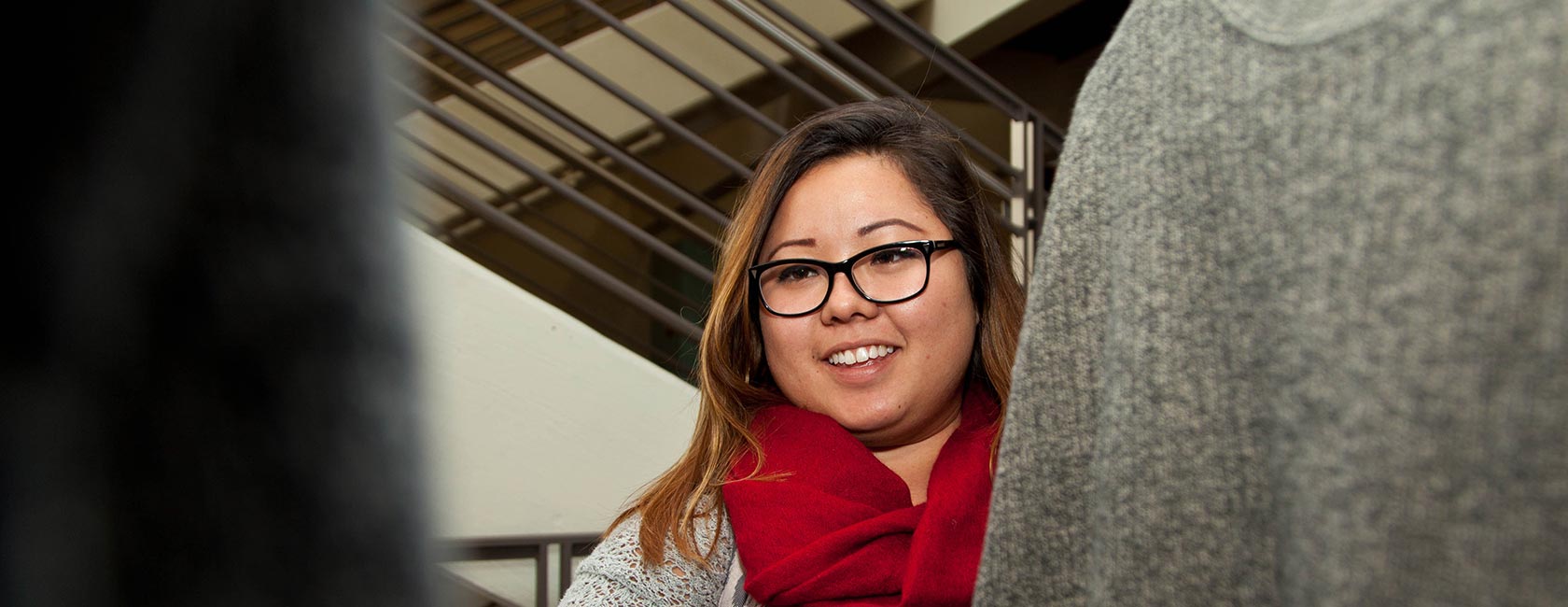
Image: Sustainability sweater swap in the Anderson University Center at PLU on Tuesday, Oct. 6, 2015. (Photo by John Froschauer/PLU)
By Samantha Lund '16
PLU Marketing & Communications
TACOMA, WASH. (Oct. 23, 2015)- Pacific Lutheran University’s UnPLUgged series aims to entertain, educate and make a difference on campus.
UnPLUgged is a series of events that encourage students to recycle their waste and unplug their electronics for the sake of sustainability and education. The final event of the series will be a recycling fashion show in The Cave on Oct. 30.
The Residence Hall Association (RHA) works in conjunction with Associated Students of PLU, Environmental Services and Facilities Management to coordinate and execute UnPLUgged each year.
This year’s UnPLUgged events emphasize how PLU community members can be sustainable in tangible, relatable ways. So far, RHA has hosted an “Hour of No Power,” a screening of the documentary “The 11th Hour”and a campus-wide sweater swap.
For the sweater swap, RHA bought sweaters at a reduced price from Goodwill and encouraged students to bring in sweaters they didn’t want and trade them for new ones.
“The sweater swap was such a success we’ve already had students asking us if we’ll do another one,” Drew Huff, the Sustainability Director of RHA, said. With all the attention around the swap, RHA is considering holding a second swap in December.
UnPLUgged has been an annual series at PLU since 2009, but this is the first time the events have been so well attended, Huff said.
Huff said the greatest attention-getter for this year’s series will be the forthcoming recycling fashion show. Teams made up of clubs, sports and organizations will come together and be challenged to make clothing out of recyclable paper, plastics and mixed waste.
“The event is really supposed to educate people about all the clothes in landfills,” Huff said. “We know it isn’t really realistic to wear recycled clothes, but we wanted to use this avenue to draw attention to the issue.”
The recycling fashion show will be held on Friday Oct. 30 from 6-8 p.m. in The Cave.