


Program Curriculum & Schedule
Degree Requirements
The PLU MFT takes 24-27 months to complete (48-50 credits).
Year One: The first year is designed for working professionals with a flexible work schedule. Classes (held on-campus) are typically two days a week, 3:00-6:20 p.m.
Starting in the summer term in Year 1, students follow either the Option A or Option B track (both will take MFTH 511 course, a three hour course typically held one day a week in the early afternoon):
- Option A track students begin their on-campus practicums during the summer.
- Option B track students begin their on-campus practicums in the fall.
These practicums are held at our on-campus clinic, 20-25 hours per week. Students in work together in co-therapy teams for extra support and meet in pairs for clinical supervision for two hours weekly.
Year One
| Fall (8 credits) | January Term (3 credits) | Spring (8 credits) | Summer (4-8 credits) |
|---|---|---|---|
| MFTH 503: Systems Approach to Marriage & Family Therapy (4) | MFTH 505: Research Methods in Marriage & Family Therapy (3) | MFTH 507: Comparative Marriage & Family Therapy (4) | MFTH 511: Systemic & Mental Health Assessment, Diagnosis, & Treatment (4) - A & B Tracks |
| MFTH 504: Contextual Foundations of Systemic Practice (4) | MFTH 512: Professional Studies in Marriage & Family Therapy (4) | MFTH 519: Practicum I (2) - Option A Track | |
| MFTH 520: Theory I (2) - Option A Track |
*Between fall and spring semesters, PLU’s January Term (J-Term for short) is a unique academic term in which you complete a semester’s worth of class curriculum in just one month.
Year Two (& Three): Classes are typically one day a week, 11:00am-6:00pm.
Your internship will continue at our on-campus clinic, with the addition of internships at off-campus clinics (20-25 hours per week).
Year Two Option A Track
| Fall - Year 2 (8 credits) | J-Term (1 credit) | Spring - Year 2 (8 credits) | Summer - Year 2 (4 credits) |
|---|---|---|---|
| MFTH 510: Human Sexuality, Sex & Couples Therapy (4) | MFTH 529: J-Term Practicum (1) | MFTH 500: Biopsychosocial Health & Development Across the Lifespan (4) | MFTH 525: Practicum IV (2) |
| MFTH 521: Practicum II (2) | MFTH 523: Practicum III (2) | MFTH 526: Theory (2) | |
| MFTH 522: Theory II (2) | MFTH 524: Theory III (2) |
Years Two & Three Option B Track
| Fall Year 2 (8 credits) | J-Term Year 2 (1 credit) | Spring Year 2 (8 credits) | Summer Year 2 (4 credits) | Fall Year 3 (4 credits) |
|---|---|---|---|---|
| MFTH 510: Human Sexuality, Sex & Couples Therapy (4) | MFTH 529: J-Term Practicum (1) | MFTH 500: Biopsychosocial Health & Development Across the Lifespan (4) | MFTH 523: Practicum III (2) | MFTH 525: Practicum IV (2) |
| MFTH 519: Practicum I (2) | MFTH 521: Practicum II (2) | MFTH 524: Theory III (2) | MFTH 526: Theory IV (2) | |
| MFTH 520: Theory I (2) | MFTH 522: Theory II (2) |
*Students can extend their practicum requirement across 5 semesters instead of 4, and take a Practicum V course in the fall or spring, depending on their track.
"I liked having the opportunity to learn about how to become a wonderful therapist: being able to see clients at the CFTC was exceptionally helpful. It prepared me to be more mindful, trusting of myself, patient with myself, and become aware of what kind of therapy I want to present as in the room with my clients." Daena, '25
Practicum & Internship Experience
As a therapist-in-training in PLU’s MFT program, you’ll spend your first semester practicum in the PLU Couple and Family Therapy Center providing therapy along with a co-therapist from your class. You’ll work with a wide range of clients – individuals, families, and couples.
For off-site practicums/internships, PLU MFT partners with local community mental health agencies to guarantee you an internship placement that you do not have to find yourself. Each site has an AAMFT Approved Supervisor and unique qualities and opportunities for growth as a therapist. Placements are determined by the interest of the student and space availability at the practicum site.
In addition to the practicum sites, the MFT Department has a relationship with Camp Korey, where students may volunteer and gain additional clinical hours.
Practicum/Internship Sites
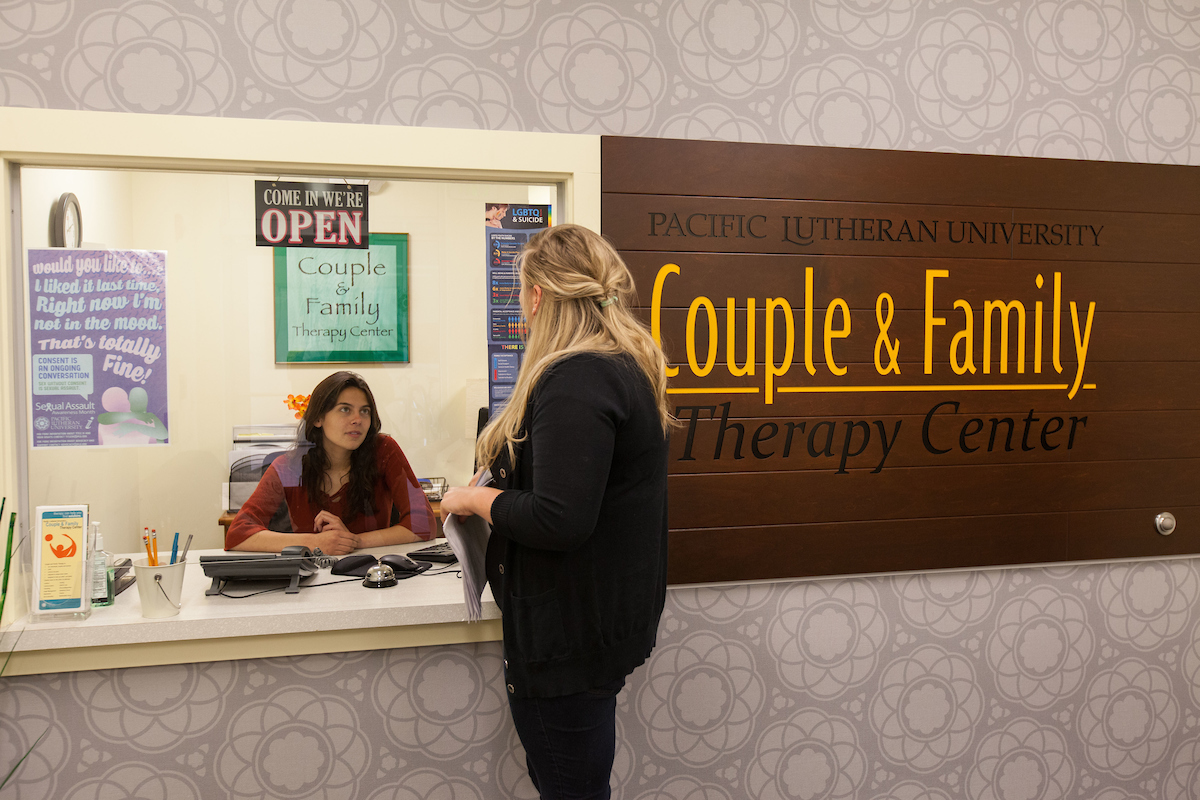
The Couple and Family Therapy Center - Community Clinic on PLU Campus
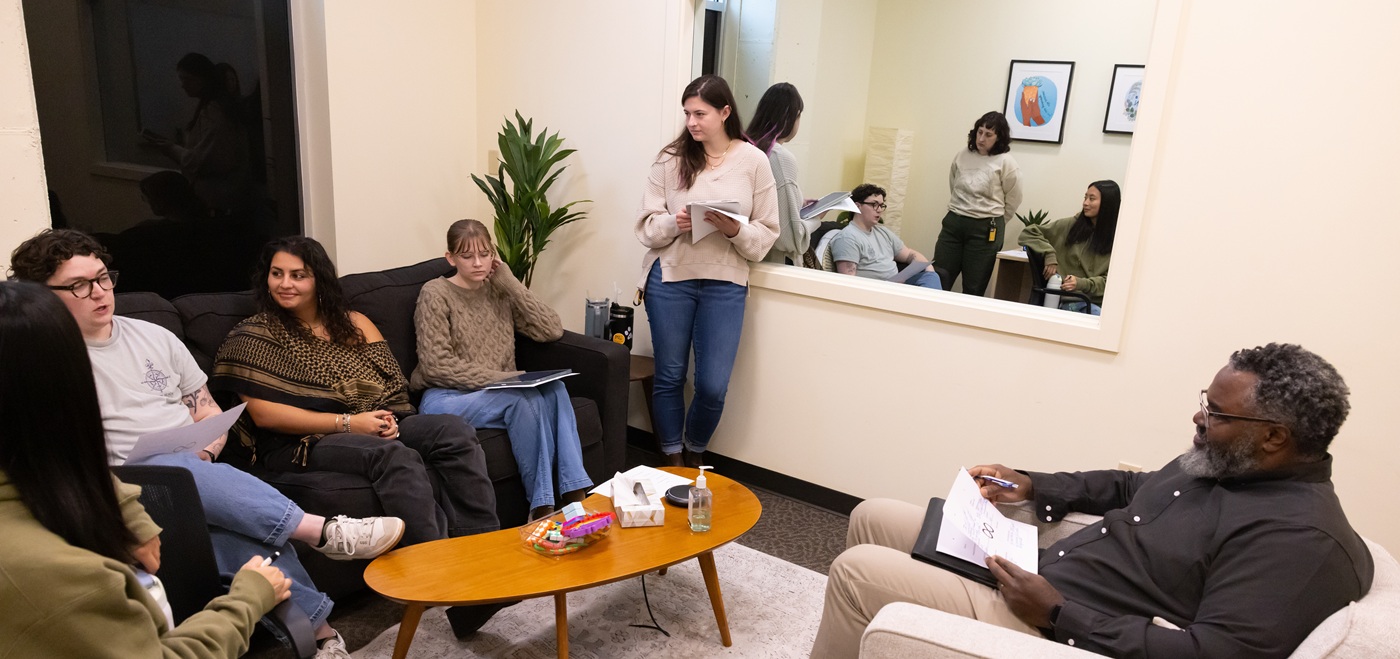
This site offers therapists-in-training the opportunity to observe their colleagues perform therapy sessions from behind a one-way mirror. Students meet with a supervisor 2 hours each week to confer about cases and discuss any questions or concerns they may have.
Affordable Counseling Center, Puyallup, WA
The Affordable Counseling Center is tailored to meet the counseling needs of middle America, offering affordable services for children, adolescents, adults, couples, and families. In a society where families confront various issues like bullying, ADD/ADHD, blended families, and school safety, parents navigate the challenge of guiding their children while balancing work, home, and relationships. The center’s goal is to assist clients in addressing these challenges and other issues they may encounter.
Chaplain Family Life Center (CFLC) at Joint Base Lewis-McChord (JBLM), WA
The CFLC is approximately 30 minutes from PLU’s campus. The mission of the CFLC is to provide an intern site for Master level students and provide supervised counseling for military personnel and family members on Joint Base Lewis-McChord (JBLM). The CFLC operates under the guidance and direction of the Office of the Chief of Chaplains and Army Regulation 165-1 as a chaplain counseling center. Many clients come to the CFLC with an expectation of receiving professional counseling that includes a focus on spiritual values and resources. All interns will complete additional training in theological integration and military culture and terminology.
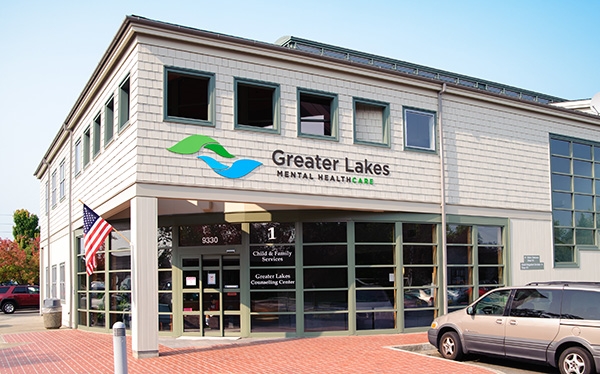
Greater Lakes Mental Healthcare, Lakewood, WA
Since 1965, Greater Lakes Mental Healthcare has provided comprehensive services for adults and children, including Substance Use Disorder Treatment, Court and Criminal Justice Programs, Homeless Support, and Integrated Medical Care. Their team includes Certified Peer Counselors, Counselors, Therapists, Nurses, Advanced Registered Nurse Practitioners (ARNPs), and Psychiatrists. Committed to Recovery and Trauma-Informed Care principles, Greater Lakes offers evidence-based treatments like counseling, case management, peer support, and medication.
Hope Development, Puyallup, WA
Hope Development Practice was founded in 2022. It is focused on serving the LQBTQIA+ community through advocacy, education and counseling. HDP is a group of dedicated therapists passionate in helping others feel the power of hope and how it can change their life for the best.

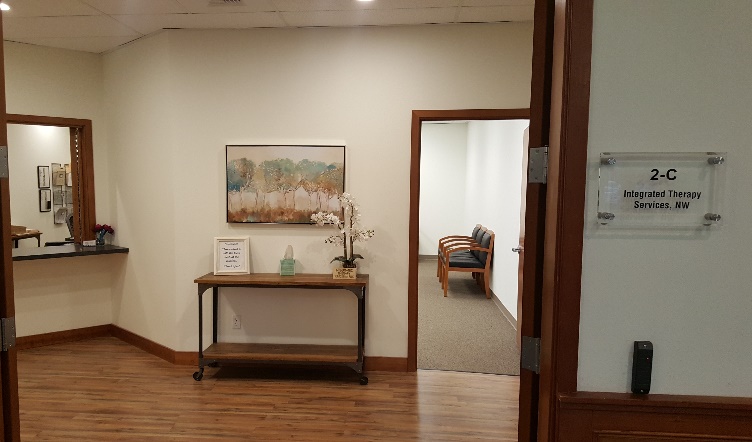
Integrated Therapy Services NW, University Place, WA
Integrated Therapy Services, located approximately 13 miles from the PLU Campus, offers a unique internship experience for therapists-in-training. They work with diverse clients in a private practice setting, supported by a community of systems-trained therapists. Committed to innovative and personalized wellness, the site integrates contributions from Marriage and Family Therapy, Social Work, and Mental Health Counseling. Based on current research, they offer evidence-based treatments for residents in Tacoma and throughout Pierce County.
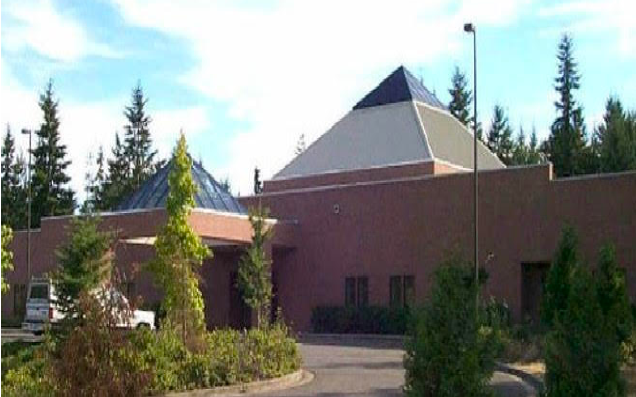
Kwawachee Behavioral Health and Wellness, Puyallup Tribal Health Authority, WA
The Kwawachee Behavioral Health and Wellness is a WA state licensed facility under the Puyallup Tribal Health Authority, providing culturally-rooted outpatient mental health services with a holistic model focusing on mental, physical, spiritual, and emotional needs. KCC staff integrates this traditional approach with a therapeutic model, catering to clients of all ages and issues. Services include clinical screening, diagnostic interviewing, individualized treatment planning, and various therapy formats.
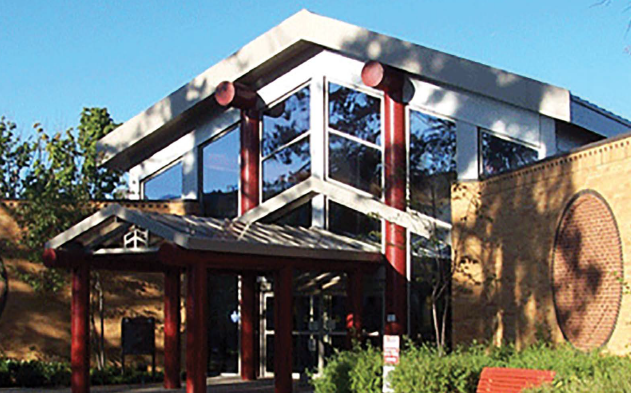
MultiCare Specialty Care for Children, Puyallup, WA
The MultiCare children therapy services available at the Puyallup location are known as the Mary Bridge Good Samaritan Children’s Therapy Unit. It provides care for children with developmental differences or disabilities through occupational therapy, physical therapy and other specialty care clinics. The unit is housed in the Dr. Donald & Beret Mott Children’s Center near MultiCare Good Samaritan Hospital. Designed to tell the story of Noah’s Ark, the building provides a scenic backdrop for achieving our mission: inspiring children, supporting families and celebrating differences.
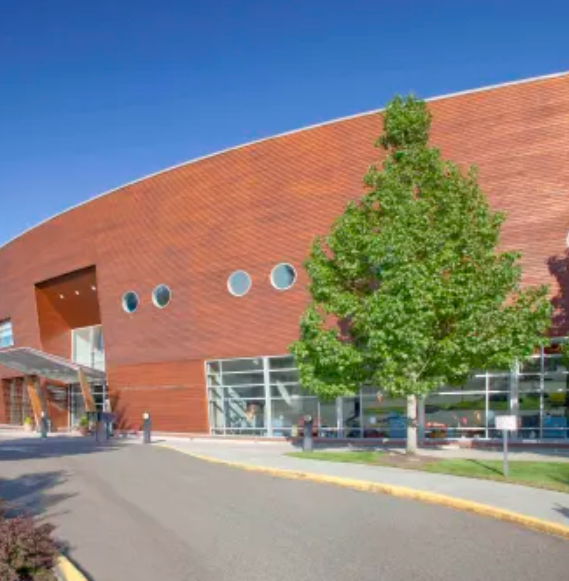
Northwest Relationships, Tacoma, WA
At Northwest Relationships, our mission is to foster healing and growth through accessible and compassionate mental health care. We strive to create a sanctuary where individuals and families of all backgrounds feel seen, heard, and empowered. As a diverse team of dedicated therapists, we are united in our commitment to dismantling barriers to mental health services, promoting social justice, and honoring the unique journey of each individual and relationship we serve.
Course Descriptions
MFTH 500: Biopsychosocial Health and Development Across the Lifespan (4)
This course leans heavily on biopsychosocialspiritual (BPSS) health and development across the lifespan. This course emphasizes clinical application and prepares students to work with clients across the lifespan with various health and developmental issues including trauma, abuse, and death. This course also invites students to engage with readings on established theories of development, participate in learning experiences and contextual influences. The goal of this course is to be able to use a biopsychosocialspiritual (BPSS) clinical approach when working with clients across the lifespan, considering how contextualized human development impacts relational interactions.
MFTH 503: Systems Approach to Marriage and Family Therapy (4)
This course is an introduction to the field of marriage and family therapy and will also help students gain an understanding of traditional and contextually informed cybernetics and general systems theory. In addition, the course considers postmodern ideas, the feminist critique of systems theory, and common factors versus evidenced based approaches. Students will learn to apply a systemic lens personally and professionally. Strategies for systemically conceptualizing therapy will be taught.
MFTH 504: Contextual Foundations of Systemic Practice (4)
This course provides an introduction to contemporary family developmental theory which explores issues of power, privilege, and oppression when considering family structure and development. We recognize that families’ intersecting social contexts influence the meaning of family, relational functioning, and changes over time. Throughout the semester, we will study how race, gender, social class, immigration, religion, spirituality, sexual orientation, and other factors impact family development. You will take part in several projects, including a group cultural “immersion,” a religious community observation, and on-going volunteer work in the community.
MFTH 505: Research Methods in Marriage and Family Therapy (3)
This course focuses on helping students understand research methodologies related to assessment, quantitate research, and qualitative research. Contextual considerations are used to assess the strengths and limitations of these different methodologies. This course emphasizes understanding and evaluating existent research.
MFTH 507: Comparative Marriage and Family Therapy (4)
This course is an intensive comparative study of the major theories within the field of marriage and family therapy that have been developed based on the systemic paradigm. By the end of the course students have an up-to-date view of the many therapy models used by marriage and family therapists. Prerequisite: MFTH 503.
MFTH 510: Human Sexuality, Sex Therapy, and Couples Therapy (4)
This course will explore a sex positive approach to sex therapy, minimizing the negative messages around various forms of sexual expression. Basic principles and strategies of treatment for common sexual dysfunctions will be considered. The nature of sexual health, a brief review of the anatomy and physiology of the sexual response cycle and the biological and psychological determinants of sexual functioning will be considered. Students will learn to conduct a sexual history, considering the impact of larger contextual issues. Models of couples therapy will also be taught with attention to addressing sexual issues as another form of couple process.
MFTH 511: Systemic and Mental Health Assessment, Diagnosis, and Treatment (4)
This course is designed to provide both a traditional and relational (systemic) understanding of the major behavior health disorders described in the DSM-5, including information on epidemiology, etiology, treatment models, and techniques for these disorders. Students will gain an understanding of the process of traditional assessment using the DSM-5, as well as other forms of assessment and diagnosis of behavioral health disorders. Attention will be given to contextual considerations as it relates to assessment and diagnosis.
MFTH 512: Professional Studies in Marriage and Family Therapy (4)
This course teaches AAMFT professional ethics and Washington State laws which affect the clinical practice of marriage and family therapists. Topics will include family law, legal responsibilities, rules of confidentiality, licensure and certification, contributing to the professional community, crisis intervention, and the intersection of marriage and family therapists and the larger mental health community. Students will consider the impact of their personal values on ethical decision-making.
MFTH 519: Practicum I (2)
First semester of practica required as part of the continuous process toward developing specific therapeutic competencies in work with individuals, couples and families.
MFTH 520: Theory I (2)
First semester of theory taken in conjunction with MFTH 519.
MFTH 521: Practicum II (2)
Second semester of practica required as part of the continuous process toward developing specific therapeutic competencies in work with individuals, couples, and families.
MFTH 522: Theory II (2)
Second semester of theory taken in conjunction with MFTH 521.
MFTH 523: Practicum III (2)
Third semester of practica required as part of the continuous process toward developing specific therapeutic competencies in work with individuals, couples, and families.
MFTH 524: Theory III (2)
The three semesters of theory taken in conjunction with MFTH 519, 521, and 523 constitute an in-depth study of one approach toward marriage and family therapy with an emphasis on applying theory in practice.
MFTH 525: Practicum IV (2)
The four semesters of practica are part of a continuous process toward developing specific therapeutic competencies in work with individuals, couples, and families. The practica present a competency-based program in which each student is evaluated regarding: (a) case management skills; (b) relationship skills; (c) perceptual skills; (d) conceptual skills; (e) structuring skills; and (f) professional development skills. Practica requirements include 100 hours of supervision of 500 client contact hours. Faculty are AAMFT-Approved Supervisors or the equivalent and use live supervision and video tapes of student sessions as the primary methods of clinical supervision.
MFTH 526: Development of a Personal Integrated Theory (2)
The fourth semester of theory taken in conjunction with MFTH 525 is an in-depth study of the student’s preferred ideas, style, methods, and values. Students develop an integrated personal approach to marriage and family therapy that synthesizes their learning in the program.
MFTH 527: Extended Practicum V (2)
For students who wish to complete their required practica in five rather than four semesters. This course is an extension of the previously described practica courses.
MFTH 529: J-Term Practicum (1)
J-Term semester of practica required as part of the continuous process toward developing specific therapeutic competencies in work with individuals, couples, and families.
MFTH 591: Directed Study (1-4)
To provide individual graduate students graduate-level study not available in the regular curriculum. The title will be listed on the student term-based record as IS: followed by the specific title designated by the student.
MFTH 598: Graduate Research Project (4)
Students will work independently with faculty to develop, design, and complete (including a publishable research paper) a research project targeted for journal publication.