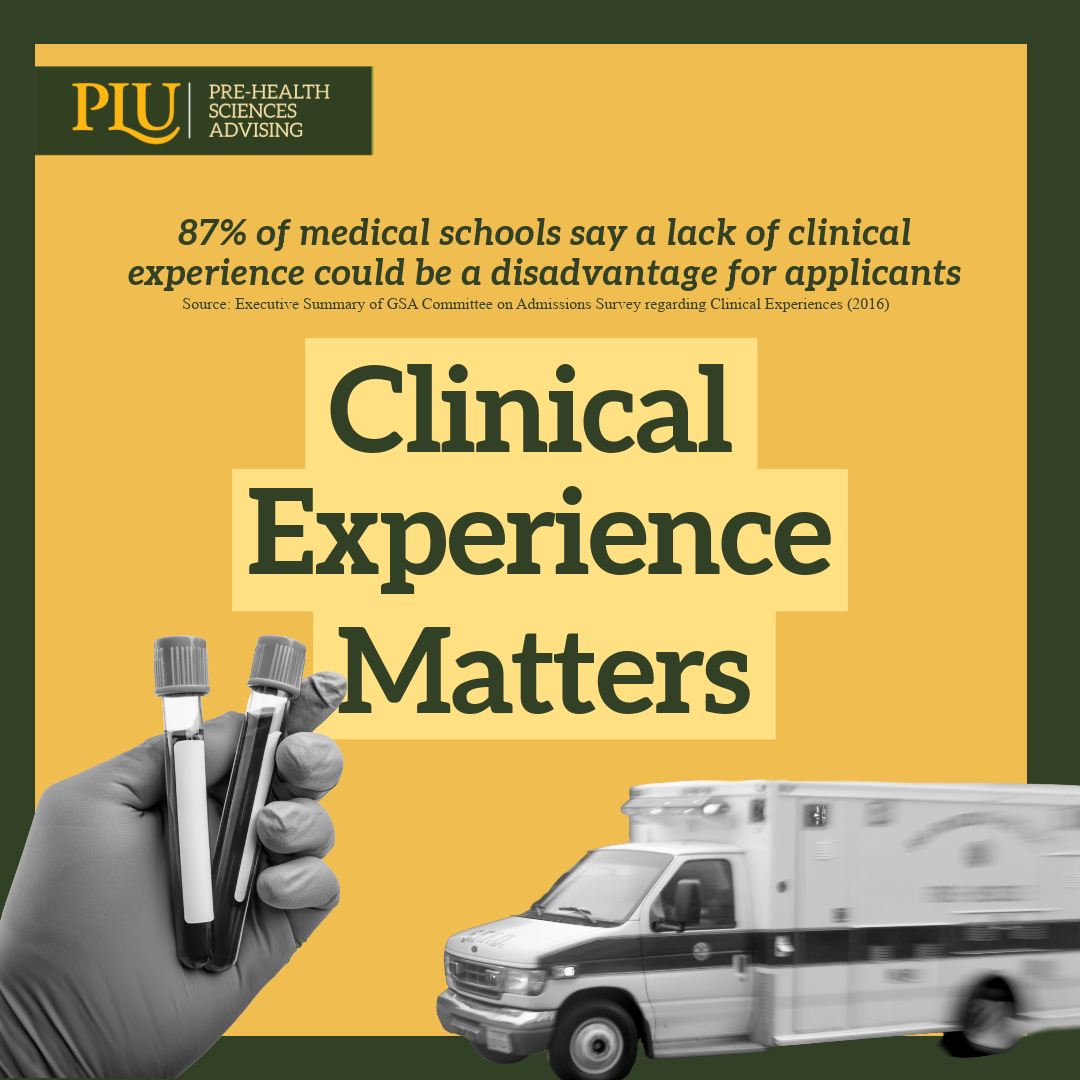

Health professional schools look for intentional, sustained experiences that demonstrate your commitment to healthcare, service to others, and personal growth. You do not need to do everything. Quality, reflection, and consistency matter far more than total quantity.
Core Pre-Health Competencies
Admissions committees evaluate applicants across holistic competency domains (aligned with AAMC and health professions standards):
- Professional Competencies: Service Orientation, Empathy and Compassion, Reliability and Dependability, Resilience and Adaptability, Ethical Responsibility to Self and Others, Teamwork and Collaboration, Interpersonal Skills, Oral Communication, Self-Awareness, Understanding Others, Commitment to Learning and Growth.
- Thinking and Reasoning Competencies: Critical Thinking, Quantitative Reasoning, Scientific Inquiry, Written Communication.
- Science Competencies: Living Systems, Human Behavior.
1. Clinical Experience & Professional Exposure
Connecting directly with patients and providers builds comfort, empathy, and professional communication skills.
Core Clinical & Shadowing Roles
- Physician or provider shadowing (in-person or virtual)
- Medical scribing positions
- Certified care roles (CNA, EMT, Phlebotomy, MA, PT/OT Aide, Home Hospice Caregiver)
- Patient support, clinic ambassadors, and hospice volunteering
- Administrative support in clinical settings
Clinical Certifications: Plan Ahead and Act Early
IMPORTANT DISCLAIMER: Act early and fast! Programs and course cohorts fill up months in advance. Contact local community colleges and vocational providers as soon as possible to clarify application timelines, prerequisites, and registration windows for summer completion.
Completing a healthcare certification over the summer makes you a far stronger candidate for patient care positions. Keep licensing times and employment logistics in mind as you plan:
-
Certified Nursing Assistant (CNA / NAC): Takes 6 to 12 weeks on average, including classroom, lab, and clinical hours, followed by state licensing exams. Great for home hospice aide and inpatient care roles. Explore training at
Clover Park Technical College (CPTC),
Tacoma Community College (TCC),
Bates Technical College,
UEI College, or
Charter College. Review the full list of
Washington State Board of Nursing Approved NA Programs. -
Phlebotomy Technician (CPT): Training typically takes 4 to 12 weeks (with accelerated options taking as little as 2 weeks). Excellent for outpatient lab and clinic roles. Compare courses through
Phlebotomy Training Specialists (Phlebotomy USA) and regional community colleges. - Emergency Medical Technician (EMT): Courses require 3 to 6 months of intense coursework and practical skill labs. Note: EMT certification requires passing the NBRC/NREMT, state licensure, and affiliation or agency sponsorship (you must be hired by an agency/fire service to active certification), making part-time scheduling harder during the academic year. Plan accordingly.
Featured Experiential Pathways
COPE Health Scholars (MultiCare Tacoma)
Build direct, hands-on clinical experience across multi-department rotations at Tacoma General Hospital (315 Martin Luther King Jr Way) and Allenmore Hospital (1901 S Union Ave). Scholars complete 280 documented hours, gain clinical mentorship, and develop critical professional healthcare skills.
- Rotations Include: Emergency Dept, ICU, Medical Oncology, Med-Surg, Post-Surgical, Quality Dept, and Progressive Care.
- Seasonal Application Deadlines: Spring (Jan 15 Priority / Jan 30 Final), Summer (Apr 15 Priority / Apr 30 Final), Fall (Jul 15 Priority / Jul 30 Final), Winter (Oct 15 Priority / Oct 30 Final).
Kaiser Permanente Healthcare Career Pathways
A 10-week, 100% virtual program (6:30–8:00 PM) designed to remove barriers for underrepresented, rural, and marginalized WA students. Focuses on clinical exposure, anti-racism in medicine, health informatics, and social justice values. Contact Bopha Cheng (College Advisor, KP Renton Campus) for outreach and 1:1 advising.
- Requirements: WA resident, current student/postbacc, 80% attendance + reflection logs.
- Priority Deadline: September 5 (Rolling admissions—apply early!).
Health Careers Academy Program (HCAP-PNW)
Offered by Morehouse School of Medicine and supported by a Pfizer Workforce grant, this hybrid summer enrichment program strengthens readiness for medical school through structured MCAT prep, professional development, and clinical shadowing.
- Highlights: In-person sessions at UW-Tacoma (room/board provided) + virtual MCAT prep, covered MCAT exam fee, mock interviews, personal statement assistance.
- Eligibility: Rising juniors, seniors, and post-baccalaureates committed to medical careers.
Regional Clinical Pathways & Programs
Explore opportunities with regional healthcare organizations across Pierce County and Washington state:
- Osteopathic Shadowing: Use the “Find Your DO“ directory through the Washington Osteopathic Medical Association (WOMA).
- Hospital Systems & Clinics: MultiCare Health System (Good Samaritan, Tacoma General, Mary Bridge Children’s), Virginia Mason Franciscan Health (VMFH), Swedish Medical Center, UW Medicine Health System & Neighborhood Clinics, Valley Medical Center, EvergreenHealth Medical Center, Harborview Medical Center, and VA Puget Sound Health Care System.
- Community Health Centers: Sea Mar Community Health Centers, HealthPoint, Neighborcare Health, and The Olympia Free Clinic.
- Specialized & Experiential Programs: Kaiser Permanente Volunteer Programs, Carol Milgard Breast Center, Children’s Therapy Center, Bloodworks Northwest, Seattle/King County Health Clinic, Volunteers Around the World, and hospice networks (MultiCare Hospice, VMFH Hospice, Providence at Home with Compassus – Puget Sound).
- Statewide Directory: Review the official directory of registered hospitals in Washington for additional clinical sites.
2. Non-Clinical Community Service & Engagement
Medical schools prioritize applicants who demonstrate an authentic commitment to service and working alongside diverse populations. Choose volunteer work that is personally meaningful to you.
Community Service Partners
Review regional organizations and Pierce County-endorsed volunteer opportunities. Some are listed below:
- Emergency Food Network, Nourish Pierce County, and Nativity House Day Shelter
- Tacoma Rescue Mission, Oasis Youth Center, and YWCA of Pierce County
- American Cancer Society, American Red Cross, and Camp Kesem
- Special Olympics Washington, Tacoma Community House, and Making a Difference Foundation
- United Way Pierce County, Rotary Club of Tacoma, and Ways to Connect Tacoma
- Online search aggregators such as VolunteerMatch
3. Leadership, Public Health & Skill-Building
Become a Peer Tutor with Knack
Gain valuable leadership and teaching experience for any class in which you received a B or higher. Show your mastery of complex subjects, boost your resume for health professional programs, and get paid!
- Pay Rate: $17.13/hr
- Format: Meet on-campus or online (1:1, group, or asynchronous)
- Flexibility: Set your own schedule & only accept sessions you want
Leadership & Advocacy
Roles involving project management, peer mentoring, campus leadership, student organization management, or volunteer coordination demonstrate initiative and teamwork.
Degrees of Change (Seed Internships): Build executive and community leadership through partners like Degrees of Change (325 152nd St E, Tacoma). Their Seed Internships program connects diverse local college students with paid summer internships across local employers.
Public Health & Prevention
Engage with population health, community outreach, and health equity through organizations like Rebuilding Hope Sexual Assault Center, Tacoma-Pierce County Health Department internships, or local public health clinics.
Employment Experience
Paid positions—whether customer service, administrative support, or retail—build vital professional skills like communication, reliability, and problem-solving. Connect with PLU Career Services for job exploration.
4. Academic & Clinical Research Opportunities
While not strictly required by all health programs, scientific and social research sharpens critical thinking, quantitative analysis, data collection, and evidence-based problem solving.
PLU Undergraduate Science Research & Fellowships
Discover how PLU students engage in hands-on, mentored summer research. Read about student researchers like Biology majors Ayre Takamoto ’28 and Corban Piper collecting insect samples on campus oak saplings in the feature article: Into the Grove: Tacoma Biology Summer Research
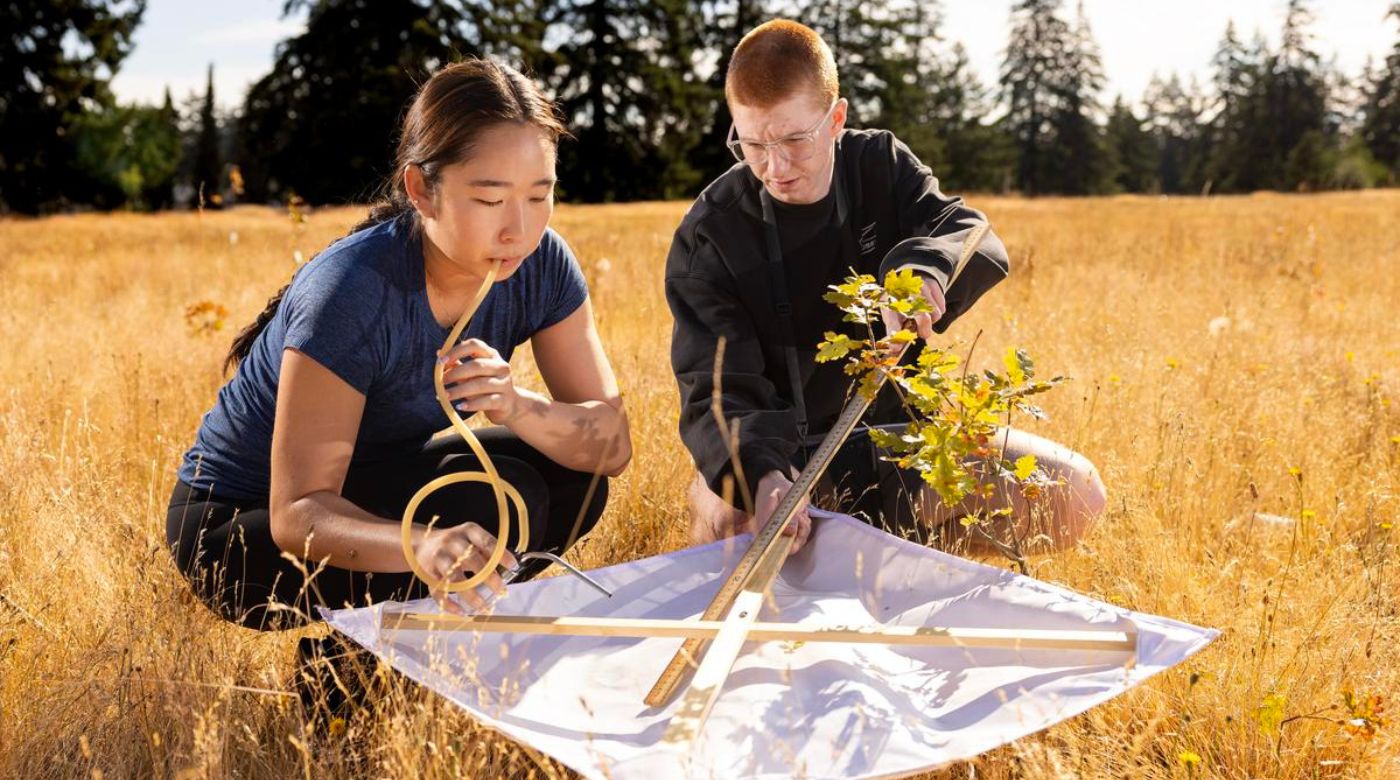
[PLU Photo / Sy Bean].
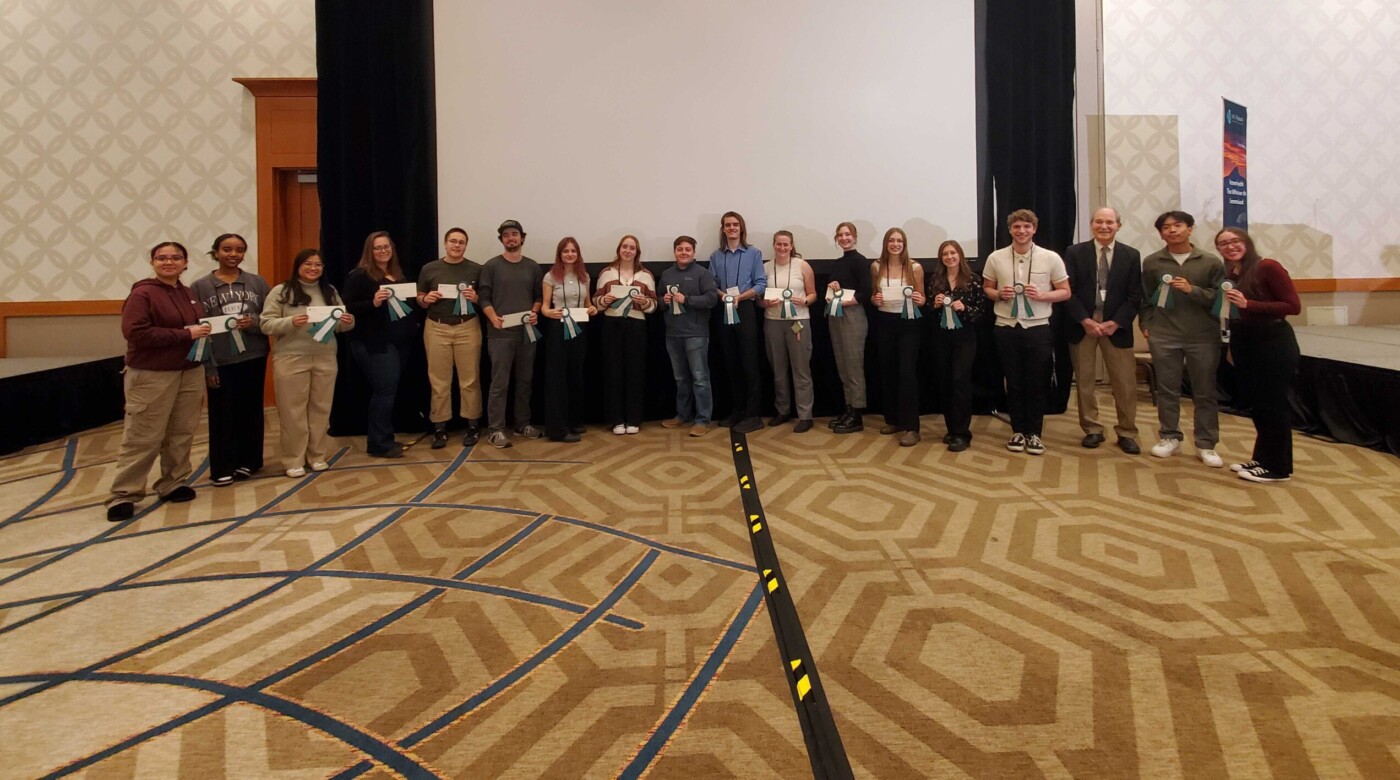
PLU researchers regularly share their findings and earn recognition at regional symposia, including receiving top awards at the prestigious Murdock College Science Research Conference.
PLU On-Campus Mentored Research
- Natural Sciences Summer Undergraduate Research Program (NSSURP): Conduct 10 weeks of paid, full-time faculty-mentored scientific research across Biology, Chemistry, Computer Science, Earth Science, Environmental Studies, Math, Physics, and Psychology.
- PLU Fred Hutch Internship Program: An exclusive 10-week summer research fellowship in the lab of Dr. Neelendu Dey at the Fred Hutch Cancer Center in Seattle, supported by a $6,852 student stipend through the John F. Gilbertson Foundation.
- S. Erving Severtson Research Fellowship: Endowed by the Forest Foundation, this competitive fellowship supports undergraduate student-faculty research collaborations (offering up to a $2,500 stipend plus project funding) across Psychology, Sociology, and Social Sciences.
Regional & National Summer Research Fellowships
- Fred Hutch SURP (Seattle): A 9-week biomedical research program offering a $7,304 stipend, travel support, and housing assistance in Basic Sciences, Human Biology, Public Health, Clinical Research, Vaccine/Infectious Disease, and Translational Science.
- UW Medicine SHPEP / WIHSE Pathways: Longitudinal engagement programs through the Center for Workforce Inclusion and Healthcare System Equity (WIHSE), providing free test prep, interview workshops, clinical exposures, and faculty mentorship.
- Regional Clinical Research Positions: Look for Clinical Research Assistant (CRA) or Scribe/Research Coordinator roles through UW Medicine Clinical Research, Seattle Children’s Research Institute, VMFH Clinical Research, and MultiCare Institute for Research and Innovation.
- National Fellowships: NIH Summer Internship Program (SIP), NSF Research Experiences for Undergraduates (REU), Amgen Scholars Program, Mayo Clinic Summer Undergraduate Research Fellowship (SURF), and the Fulbright U.S. Student Program.
Networking & Staying Connected
Connect with Alumni & Peers
- LuteLink Networking: Connect directly with PLU alumni, including practicing physicians and healthcare leaders, for career advice and informational interviews.
- Pre-Health Sciences Student Google Group: Join using your official PLU email address to receive weekly updates on shadow opportunities, internships, and upcoming events.