


2026 Environmental Studies Capstone Presentations
Monday May 18, 2026
2:00-5:30pm in Rieke 103B
2:00-2:20pm, Embedded in the Ecosystem: Manoomin, Climate Change, and Ojibwe Sovereignty
Maggie Dobbins
Colonialism has impacted Native American connections to their local ecosystems for centuries and climate change is likely to further impact their culture and sovereignty, which are deeply tied to local ecosystems. This paper examines how climate-driven watershed stressors, such as increased precipitation, flooding, and hydrological change, affect manoomin (wild rice) in its role as an ecosystem engineer in northern Minnesota lake systems. These shifts in water levels not only threaten manoomin ecologically, but also disrupt Indigenous relationships with land and water, intensifying ongoing struggles over sovereignty. Using an interdisciplinary, interpretive approach that brings together ecology and Native American and Indigenous Studies, this project analyzes scientific and Indigenous-authored sources through a decolonial lens informed by Indigenous environmental justice scholarship, particularly the work of Kyle Whyte. It explores how changing hydrological conditions reshape both the ecological function of manoomin and the frameworks through which it is understood and protected. These perspectives show that changes in manoomin are not solely ecological, but reflect disruptions in reciprocal relationships shaped by both environmental processes and colonial histories. Protecting manoomin, therefore, requires integrating ecological science with Indigenous frameworks of responsibility and sovereignty to support both ecosystem function and community wellbeing.
Thank you to Rose for your guidance and for steering our ship. To my mentors, Dr. Crawford O’Brien and Dr. Behrens, thank you for your wisdom and insight throughout this process. To my roommates, thank you for grounding me and for sitting beside me through rainy afternoons and late nights of work. Thank you to my family for sharing with me a love for the lakes of Minnesota. To my cohort, thank you for making me laugh every Tuesday and for your feedback, support, and encouragement along the way. This project would not have been possible without all of you.

2:20-2:40pm, Can the Wolf Reintroduction Project from Yellowstone be Implemented in Washington?
Ani Draper
This paper examines whether a similar wolf reintroduction model like the one from Yellowstone could be successfully implemented in Washington State. By comparing Yellowstone’s protected landscape and prey abundance with Washington’s diverse ecosystems, expanding human populations, and mixed public land use, this examination evaluates the ecological, political, and social feasibility of wolf recovery in the Pacific Northwest. Particular attention is given to Washington, where suitable habitat, elk populations, and protected wilderness areas provide conditions capable of supporting wolf packs. The paper also explores the role of Indigenous sovereignty and tribal-led conservation efforts, especially among the Nimiipuu (Nez Perce), whose participation in wolf recovery demonstrates alternative approaches to wildlife management rooted in ecological stewardship. Additionally, the study addresses conflicts surrounding livestock depredation, rural economic concerns, and public perceptions of predators, all of which complicate large-scale reintroduction efforts. Through analysis of ecological data, historical context, and current wolf migration patterns in Washington, this research argues that while a direct replication of Yellowstone’s reintroduction project may not be entirely possible, elements of its management framework can inform continued wolf recovery in Washington State. Ultimately, successful implementation would require collaborative management between state agencies, tribes, conservation organizations, and local communities to
balance ecosystem restoration with social and economic realities.
I would like to give much appreciation to my family and those who I have surrounded myself with these past few months as I have researched and written. I would also like to extend gratitude to the faculty of PLU.
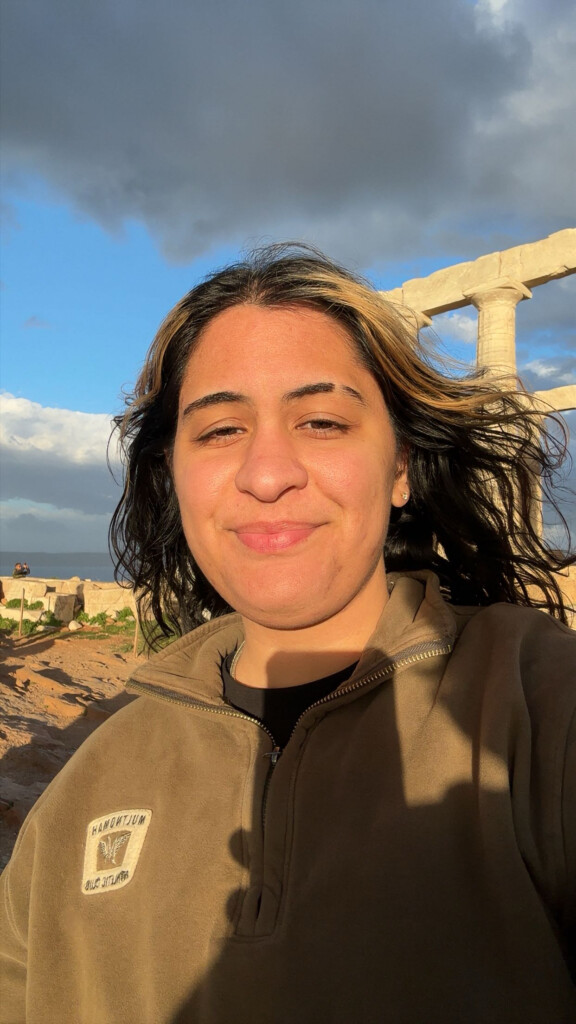
2:40-3:00pm, Expanding Toxicology Through Kin Based Relationships: PPIs and the Limits of Threshold Based Environmental Risk
Gairet Nason
Pharmaceutical contamination in aquatic systems is typically assessed through toxicological frameworks that prioritize acute toxicity, mortality, and threshold based regulatory endpoints (Fisher et al. 2024). While these approaches are useful for identifying overt toxic effects, they often fail to capture the ecological significance of chronic, sublethal exposure (Fent et al. 2006; Arnold et al. 2014). This paper examines how environmental toxicology can underestimate ecological harm by defining risk primarily through individual survival and clearly measurable physiological failure (Fisher et al. 2024). Using proton pump inhibitors (PPIs) as a case study, I argue that pharmaceutical contaminants can alter organismal function in biologically meaningful ways without producing immediate mortality and that these effects may still propagate through ecological systems over time (Moffatt et al. 2022; Schuijt 2023). Experimental evidence shows that omeprazole exposure can suppress gastric acid production, reduce digestive efficiency, and limit growth in fish, demonstrating how sublethal physiological disruption can alter organismal performance even when exposure does not produce immediate death (Moffatt et al. 2022). To show how these effects become ecologically significant, this paper places toxicological evidence in conversation with Indigenous environmental scholarship, particularly Enrique Salmón’s concept of kincentric ecology (Salmón 2000). By bringing environmental toxicology into conversation with Native American Indigenous Studies, this paper argues that current regulatory models underestimate ecological harm by privileging lethality over relational disruption. Expanding toxicological frameworks to include sublethal and relational effects offers a broader and more ecologically relevant understanding of environmental risk.
I would like to thank Dr. Rose McKenney, Dr. Suzanne Crawford O’Brien, and Dr. Michael Behrens for their guidance, feedback, and support throughout the development of this project. Their insight and encouragement were
invaluable in shaping both the direction and scope of this work.
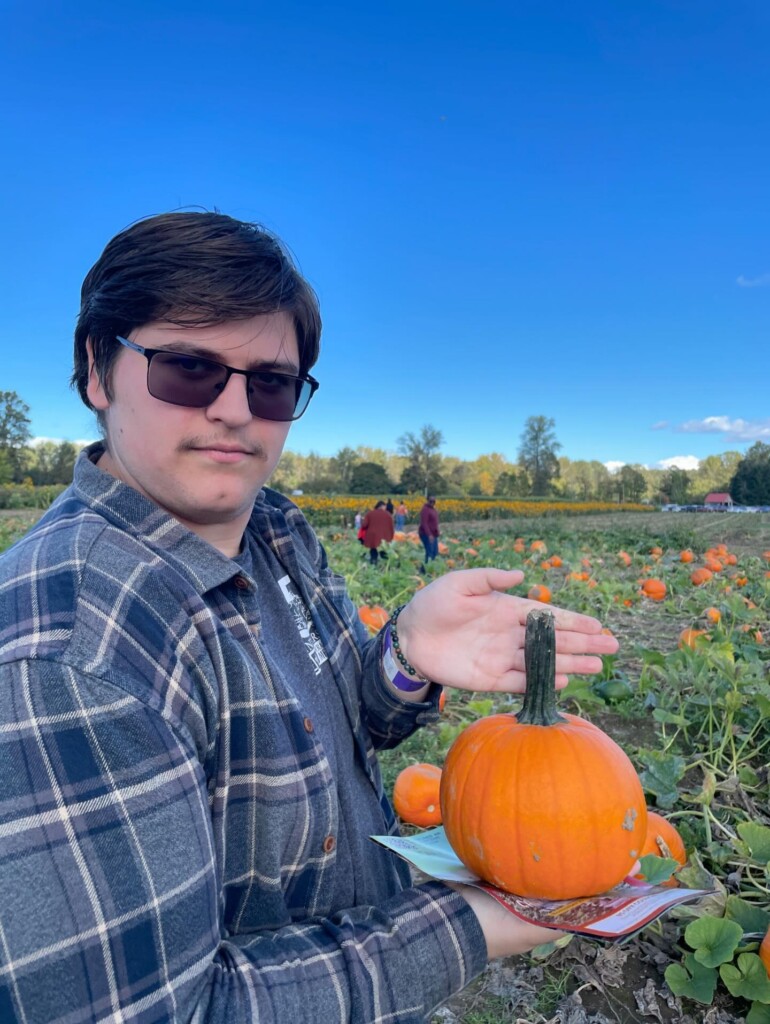
3:00-3:05pm, Break
3:05-3:25pm, Water Crisis within the Puget Sound: Miscommunicated
Issabella Marchio
Through science alone, we are told that efficiency with regards to water is established via standards like WQI, pH, or whether or not a stream is quite literally flowing. But without the awareness and overlap of a variety of disciplines, we are unable to further elaborate on the true meaning of effective communication efforts and responses. Oftentimes the barrier between solution ideas and action is not only political aspects of funding but also the communication of the issue itself. Response of some kind like advocacy and policy implementation is how success criteria is measured in my case study analysis. Though, it is important to note that via discipline-our definition of efficiency changes which will be a relevant readdressed standard. We can conclude here that it is the exact interaction of science and other disciplines like communications that allows us to fully analyze an argument and how to respond to it.
So many people close to me deserve a shoutout and it’s hard to narrow it down. To my friends and roommates for constantly providing consistent support, my family for believing in my ability of resilience. To faculty members that I look up to like Melanie Rizzotti, Ceciley Weinman, and Amy Young. And my mentors for this project, Rose McKenney and Amy Young.

3:25-3:45pm, Breaking Down Waste: Fungal Energetics and Deep Ecology for Plastic Waste Reduction
Kennedy Elias
Plastic waste accumulation is an ever increasing issue in the United States. Current methods of recycling have been inefficient and ineffective at combatting the sheer scale of waste created, resulting in plastic waste that is a hazard to ecological and human health. My project aimed to use Environmental Studies, Biology and Deep Ecology to propose a new method of recycling that uses plastic eating fungus to reduce plastic waste. This solution should meet the key ethical components of Deep Ecology in that it references nature, prioritizes sustainability, and is effective in plastic waste reduction. I found that the fungi Aspergillus tubingensis and Parengyodontium album are two fungi that should be utilized in this new system due to their unique ability to use the carbon in plastics for sustenance. This creation of a new recycling system initially seems like uncharted territory, however using composting and wastewater treatment as an example, we can see just how attainable this new system really is.
I’d like to thank my professors and mentors: Rose McKenney for her guidance and criticism that helped me make this project what it is today, Mike Behrens for helping me narrow down my thought process, and make my arguments, more concise, Dr.Horm for helping me navigate two of the most complex studies I’ve had the pleasure of reading, and Kevin O’Brien for assisting me in my journey looking at Deep Ecology. This project wouldn’t have existed without all of your
guidance.
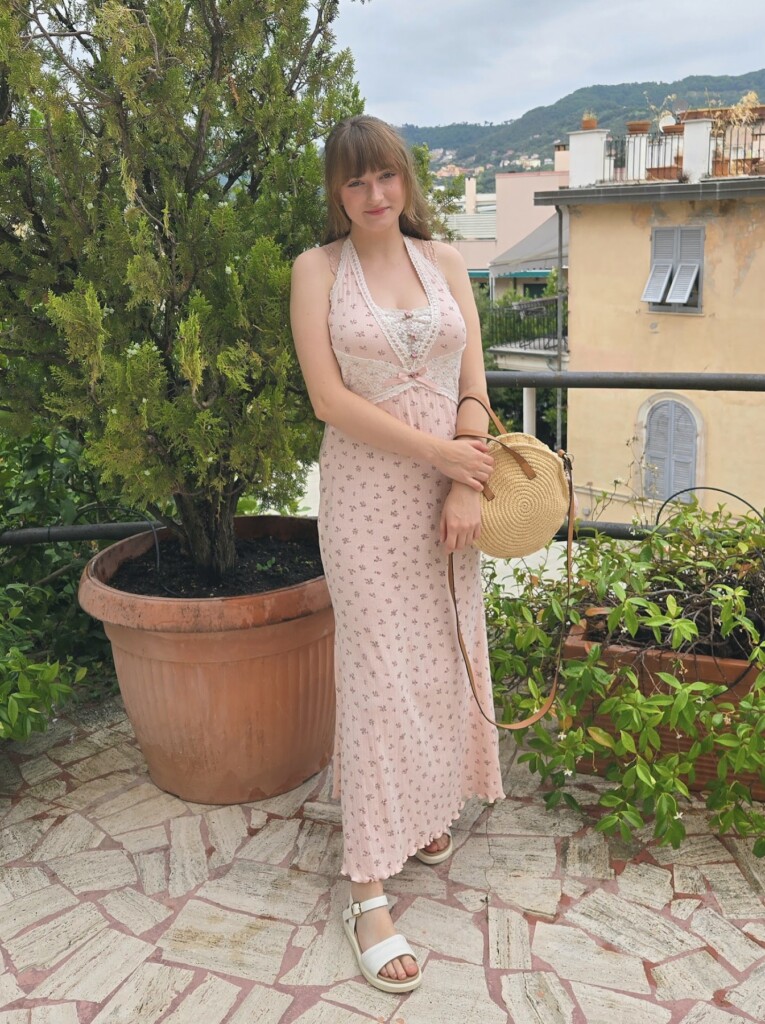
3:45-4:05pm, Lessons in Sustainability from the PLU Pantry: A food Systems Investigation
Damaris Ibrahim
What exactly is a food system and how does it play out on a local scale? Are the food systems available to students at Pacific Lutheran University ones that promote sustainability in multiple formats, encouraging “thoughtful inquiry, service, leadership, and care?” To explore these questions, I dive deep into the PLU pantry as a case study of one aspect of the food system at PLU in an interactive storymap. The aim of this project is to use this case study as a way to investigate what sustainable practices are happening within my own tangible community and think about the lessons or areas for growth that may come from seeing how our choices might empower or limit the systems and structures we exist in.
This project could not have happened without the support and guidance of my mentors, friends, staff members and peers.
A special thank you to all of the WSR staff and especially to Susan Pavur, PJ Morales, Austin Beierman for directly helping this project manifest, to Rose McKenney for her continued support and guidance, and to Lisa Lovejoy for offering her time and knowledge.
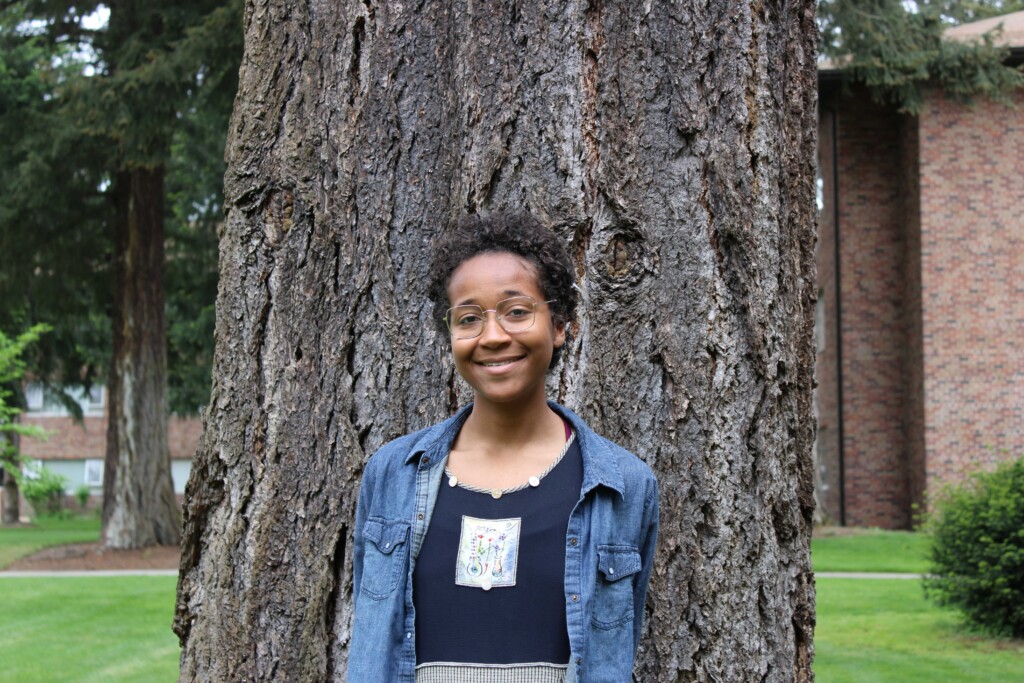
4:05-4:15pm, Break
4:15-4:35pm, Green Investment: The Bipartisan Infrastructure Law impact toward Washington State Environment’s
Richard Nguyen
As we see in the present, with the administration’s shift towards more economic policies, we also see the neglect and removal of policies that were made for protecting the environment. This capstone examines the potential environmental benefits that certain economic policies can have when considered as a factor in environmental sustainability. As the project specifically looks into aquatic habitats in Washington State, it will be specifically looking into the Bipartisan Infrastructure Law that was signed in 2021, along with two projects that were awarded grants due to this policy, which are ‘Garrison Springs Creek/Chambers Creek Road Culvert Replacement’ and ‘Squalicum Creek Estuary Restoration’. As these projects will be used in case studies, they will be examined through the integration of economics, cost-benefit analysis, and ecological insights into ecosystem services. This will result in an ecosystem service valuation for each case study, utilizing an adjustment method for valuation. As a result, the case studies highlighted how economic policies can have an impact on the environment, but are specific to certain projects, as restoration efforts are more costly and awards funded are limited, despite having more positive benefits when compared to the culvert replacement, where the awards are lower but are given multiple sources of funds, as a means to help the environment and the local community.
I would like to thank Dr. Rose McKenny, Dr. Micheal Behrens, and Dr. Ryan
Swartzentruber for supporting and guiding me through my capstone.
4:35-4:55pm, From Waste to Wetlands: Evaluating the Living Machine as a Model of Bio-Integrated Sustainability and Its Role in Higher Education
Ellie Maxfield
This capstone explores the practicality of bio-integrated sustainable architecture through the case study of the Living Machine at Oberlin College, analyzing both its biological efficacy as a wastewater treatment system and its moral alignment with the environmental and educational values of Pacific Lutheran University through the lens of Lutheran higher education. The Living Machine is evaluated using an interdisciplinary approach that combines ecological systems analysis with theological frameworks published by the Evangelical Lutheran Church in America, exploring treatment performance, long-term sustainability, and its role as a highly visible form of educational infrastructure within a Lutheran higher education context. Ultimately, my capstone concludes that the Living Machine is a biologically effective and restorative form of bio-integrated design that strongly reflects Lutheran values of environmental stewardship, holistic education, and ethical responsibility while also demonstrating the broader potential of bio-integrated infrastructure within university campuses.
Thank you Dr. Rose Mckenney, Dr. Jacob Egge, and Dr. Marit Trelstad for all of the guidance and feedback you have provided throughout my capstone journey. Thank you also to Oberlin College for maintaining such a cool form of sustainable architecture that made
this paper possible.
Property Will Cost Us The Earth”: Eco-sabotage, Deviance & Ethics
Skye Brist
As the United States government continues to withdraw from efforts to mitigate climate change, unrest within the U.S. population will continue to rise, resulting in a growing number of climate activists taking “eco-terroristic” actions, such as sabotage. Using the lenses of sociology and ethics, this paper argues that the U.S. government’s application of the “terrorist” label, and thus its consequences, is extreme in this context and alternate measures, such as dropping the “terrorist” charge, should be taken.
I would like to thank Rose McKenney, Kevin O’Brien and Preston Lowe for their assistance in guiding me through the writing of this paper as well as giving me the motivation to stay firm in my guiding thesis. I would also like to thank my mother, Lori Brist, my father, Michael Brist, my sister, Kira Brist, and my close friends Joshua Darkow and Joshua Vetsch for their help motivating me and supporting me throughout the writing process.
Integration of Geologic and Religious Concepts and Their Importance in Cultivating Stewardship Advancement
Autumn Freeman
This paper advocates integrating conversations between geological and religious ideas to advance stewardship of the Earth. By examining the geological understanding of Earth’s formation and Christianity’s doctrine of creation care, this paper highlights how these disciplines offer complementary perspectives. While geology provides a deep time, systems based understanding of Earth, Christianity contributes to a moral framework highlighting responsibility and care. When brought together in conversations, geology and Christian doctrine about Earth’s formation can influence an ethical and scientific motivation of stewardship.
{Insert Acknowledgments}
Hidden Social and Cultural Costs of Deep-Sea Mining in a Samoan Context
Luana Le'Iato
4:55pm, Closing Celebration
Social Media