


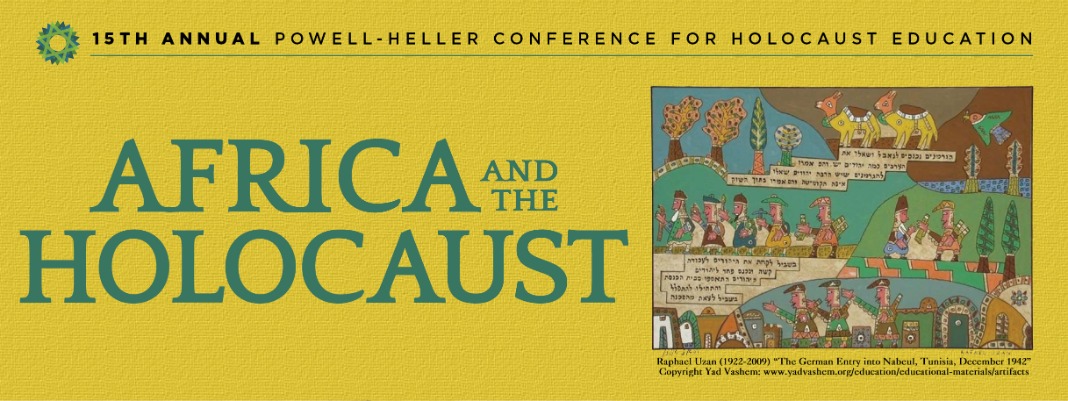
2023 Powell-Heller Conference for Holocaust Education:
“Africa and the Holocaust”
October 25-27, 2023
Thanks to the generosity of donors this event is free and open to the public.
The 15th Annual Powell-Heller Conference for Holocaust Education will take place on Wednesday, Oct. 25th – Friday, Oct. 27th in the Anderson University Center, Regency Room. Our conference will explore “Africa and the Holocaust” as its theme. In this conference our speakers will be exploring the under-researched experience of Jews living on the continent of Africa and how World War II and antisemitic policies impacted those communities. It will also delve into the Jewish refugee experience, Jewish-Muslim relations in African countries, and how the legacy of colonialism intersects with genocide. Keynote speakers’ information will be forthcoming.
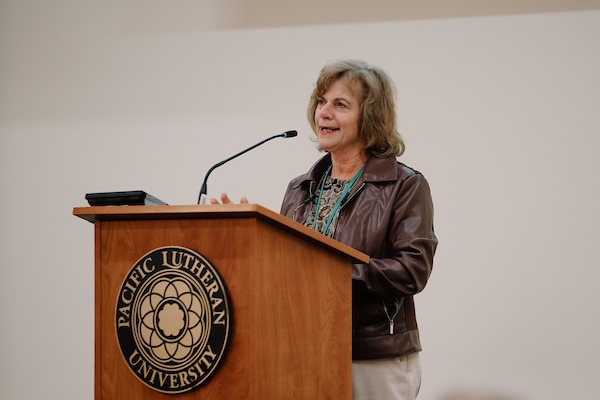
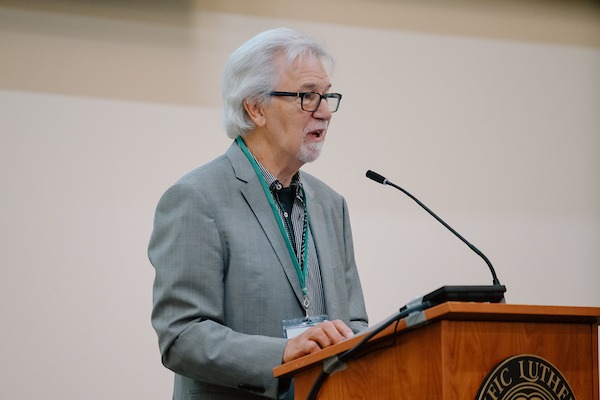
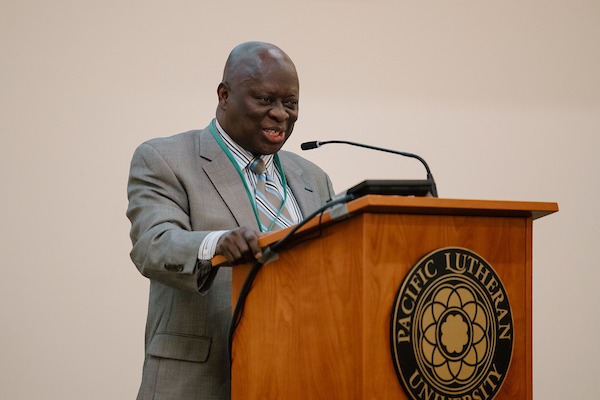
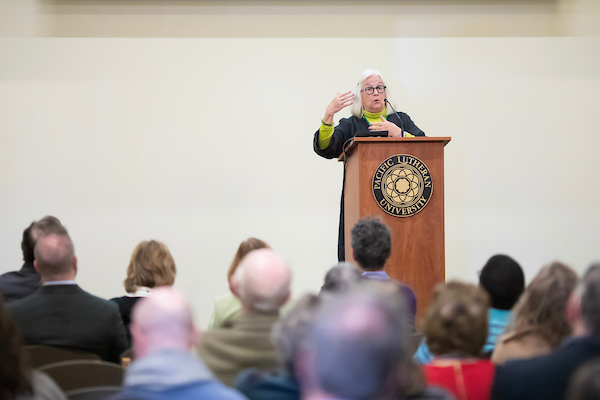
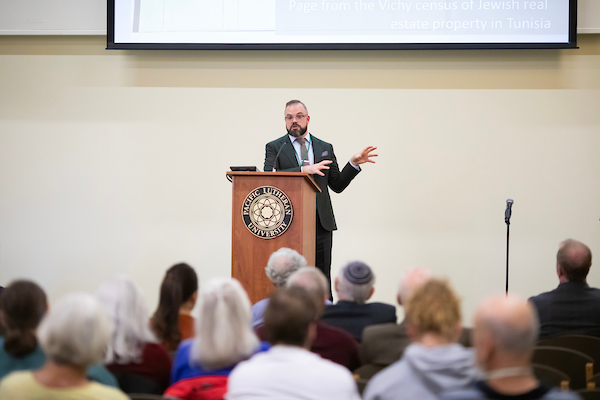
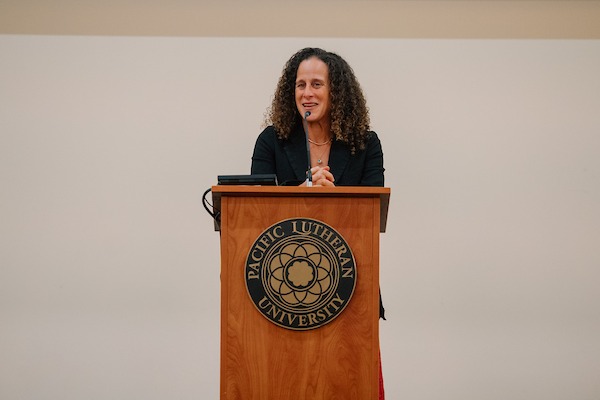
PLU’s mission to support the education of our students and larger community on issues of diversity and justice are intimately connected to the study of the tragedy of the Holocaust. Students can see that marginalization of a minority group, such as the Jews of Nazi Germany, can lead to life-threatening situations culminating in one of the world’s modern genocides. Issues of distortion and denial make the process of reconciliation and healing less likely and serve as an insult to the memory of all those whose lives were destroyed in the Holocaust.
Schedule
All Times Posted are Pacific Standard (PST)
7:00 p.m. – Opening Keynote Address: “Sub-Saharan Africans and the Holocaust”, AUC Regency Room
Dr. Edward Kissi, Associate Professor, Department of Africana Studies, School of Interdisciplinary Global Studies, University of South Florida
Convener: Dr. Robert P. Ericksen, Kurt Mayer Chair of Holocaust Studies (Emeritus), PLU
8:00 p.m. – AUC Gray Area
Please join us for a dessert reception following the keynote.
9:30 a.m. – AUC Gray Area
Registration & Coffee
10:00 - 11:45 a.m. – The Genocidal Gaze, AUC Regency Room
Elizabeth Baer, “German Genocide in Africa and the Third Reich: Imperialism, Race, and Sexual Violence”
Dr. Elizabeth Baer is the Research Professor of English and African Studies at Gustavus Adolphus College.
Adam Blackler, “For Land and Life”: Outposts of the German Empire after World War One
Dr. Adam Blackler is Associate Professor of History at University of Wyoming
Convener: Dr. Heather Mathews, Chair, Associate Professor of Art & Design, Gender, Sexuality, and Race Studies, Holocaust and Genocide Studies
11:45 - 12:00 p.m. – Break
12:00 p.m. - 1:30 p.m. – Lunch, AUC Chris Knutzen
Presentations by Mayer Summer Research Fellows
Austin Karr, “Slovakia and the Inability to Confront the Past: Slovakia’s Turbulent Relationship with the First Slovak Republic and the Holocaust”
Austin Karr
Anna Marko, “The Application of the “Bloodlands Theory” to the Great Lakes Region of Africa and the Tutsi Diaspora”
Anna Marko
Convener: Dr. Rona Kaufman, Professor of English, Director of First Year Experience Program, Director of the Writing Center, PLU
1:45 - 3:30 p.m. – Vichy and Colonial North Africa, AUC Regency Room
Terrence Peterson, “Vichy and the Jews of Tunisia at the Crossroads of Colonialism and the Shoah”
Dr. Terrence Peterson is an Assistant Professor at Florida International University and a faculty affiliate in the Holocaust and Genocide Studies Program at FIU.
Daniel Schroeter, “Holocaust Victims in a Colonial Context: Contested Claims to Compensate Jews in North Africa during World War II”
Dr. Daniel Schroeter is the Amos S. Deinard Memorial Chair in Jewish History and Professor of History at the University of Minnesota
Convener: Rabbi Bruce Kadden, PLU
3:30 - 3:45 p.m. – Break
3:45 - 5:00 p.m. – Post-Holocaust Human Rights Issues in Africa, AUC Regency Room
Babafemi Akinrinade, “The Holocaust and Transitional Justice in Africa”
Professor Akinrinade is Assistant Professor of Human Rights at Fairhaven College of Interdisciplinary Studies and associate director of the Ray Walpow Institute for the Study of the Holocaust, Genocide and Crimes Against Humanity at Western Washington University.
5:00 p.m. – Dinner Break
5:30 p.m. – Pre-Keynote Reception, AUC Scandinavian Cultural Center
Join the speakers, University Leadership, and friends of PLU while enjoying heavy appetizers, wine and beer.
Advance purchase is required. Tickets cost $35.00.
7:00 p.m. – Keynote Address: “Wartime North Africa”, AUC Regency Room
The Holocaust is usually understood as a European story. Yet, this pivotal episode unfolded across North Africa and reverberated through politics, literature, memoir, and memory—Muslim as well as Jewish—in the post-war years. With UCLA colleague Aomar Boum, Sarah Abrevaya Stein has worked for a decade seeking out the stories of North Africans caught up in the dramas of the Second World War and Holocaust, authoring public-facing and scholarly writing on this topic, and delivering talks nationally and internationally on wartime North Africa. All told, their work blurs the boundaries of Holocaust Studies and North African Studies, suggesting, powerfully, that neither is complete without the other.
Sarah Abrevaya Stein, Sady and Ludwig Kahn Director of the Alan D. Leve Center for Jewish Studies and the Viterbi Family Chair in Mediterranean Jewish Studies at UCLA.
Convener: Dr. Christopher R. Browning, Frank Porter Graham Professor of History at University of North Carolina
8:00 p.m. – AUC Gray Area
Please join us for a dessert reception following the keynote.
8:30 a.m. – AUC Gray Area
Registration & Coffee
9:15 - 10:25 a.m. – The Impact of the Holocaust on Tunisian Jewish Family’s: Survivor Stories, AUC Regency Room
Story of a Tunisian young girl facing with her family the Holocaust and the Point of No Return and finding her growth in France, Israel Canada, and United States.
Jacqueline Semha Gmach, A Tunisian-born, Sorbonne-trained American educator, Zoom presentation
Convener: Paul V. Regelbrugge, Director of Education, Holocaust Center for Humanity
10:30 - 11:15 a.m. – Break
11:15 a.m. - 12:20 p.m. – Survivor Voices, AUC Regency Room
Haim Saadoun, “History and Memory: The Story of One Family in Sfax, Tunisia during the German Occupation of Tunisia” Zoom Presentation
Dr. Saadoun is Professor Emeritus at the Open University in the Department of History, Philosophy and Judaic Studies in Israel, and the Director of the Center for Documentation on North African Jewry During World War II, The Ben Zvi Institute for the Study of Jewish Communities in the East, and member of the academic committee of the International Institute for Holocaust Research, Yad Vashem.
Convener: Lexi Jason, Education Program Manager, Holocaust Center for Humanity
12:30 - 1:30 p.m. – Lunch, AUC Chris Knutzen: Visit to Morocco with us
Zoom from Morocco with Dr. Benny Furst and Steven Koenig
Dr. Benny Furst is a teaching fellow at the Hebrew University of Jerusalem and in the Technion. Steven Kohn is the son of a Dachau Concentration Camp Holocaust survivor and a nephew of an Auschwitz Concentration Camp Holocaust survivor. He is the recipient of the 2018 Zachor Award from the Jewish Federation of Sarasota/Manatee for Holocaust Awareness Studies and a 2023 Powell Teaching Fellow, Powell Summer Teaching Institute, Seattle Holocaust Center for Humanity.
Convener: Steven Koenig
Keynote Speakers
“Sub-Saharan Africans and the Holocaust”
Keynote Speaker: Dr. Edward Kissi
Wednesday. October 25th
7:00 p.m. – Keynote (Regency Room, AUC)
Education
B.A. (History, Classics) University of Ghana, 1987; M.A. (History) Wilfrid Laurier University, CANADA, 1991; Ph.D. (History) Concordia University, Montreal, CANADA, 1997.
Biography
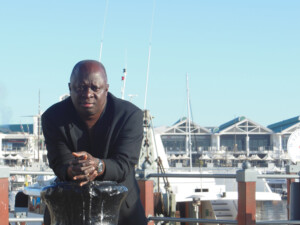
Edward Kissi is Associate Professor in the Department of Africana Studies at the University of South Florida (USF). He completed his undergraduate studies in the Departments of Classics and History at the University of Ghana, in 1987. He earned an MA in History from Wilfrid Laurier University, in Canada, in 1991, and a Ph.D. in History from Concordia University, in Montreal, Canada, in 1997. Kissi was an Andrew W. Mellon post-doctoral fellow in the Genocide Studies Program at Yale University from 1998 to 1999 and served as Visiting Assistant Professor at the Center for Holocaust and Genocide Studies at Clark University, from 2000 to 2003. Since 2004, Kissi has been teaching and conducting research at USF. His research focuses on 20th Century economic and diplomatic history of Ethiopia and the Horn of Africa; history of US foreign relations (with Africa) since the 20th Century, and the comparative history of genocide and human rights. He is the author of Revolution and Genocide in Ethiopia and Cambodia (2006), and has published a number of articles and book chapters on genocide, famine, international relief aid and US foreign policy towards Africa in the Cold War period in notable books and peer-reviewed journals. His most recent article appears in the May 2012 issue of Past and Present (http://past.oxfordjournals.org/cgi/reprint/gtr047ijkey=LPjzqfvx2z7Fnzl&keytype=ref
In 2009, Kissi wrote “The Holocaust as a Guidepost for Genocide Detection and Prevention in Africa” for the landmark United Nations’ Discussion Papers Journal (http://www.unorg/holocaustremembrance/docs/paper5.shtml). He has since been involved in major international activities on Holocaust and Genocide Education, including UNESCO’s on-going initiatives on Holocaust and Genocide Education in Africa.
Biography
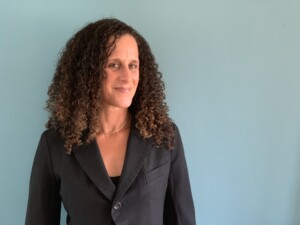
Sarah Abrevaya Stein is author or editor of ten books. In The New York Times, Matti Friedman has written that “Stein, a UCLA historian, has ferocious research talents […] and a writing voice that is admirably light and human.”
Stein’s most recent book, Wartime North Africa, A Documentary History 1934-1950 (Stanford University Press, with the cooperation of the USHMM, 2022), the first-ever collection of primary documents on North African history and the Holocaust, gives voice to the diversity of those involved—Muslims, Christians, and Jews; women, men, and children; black, brown, and white; the unknown and the notable; locals, refugees, the displaced, and the interned; soldiers, officers, bureaucrats, volunteer fighters, and the forcibly recruited. At times their calls are lofty, full of spiritual lamentation and political outrage. At others, they are humble, yearning for medicine, a cigarette, or a pair of shoes.
Translated from French, Arabic, North African Judeo-Arabic, Spanish, Hebrew, Moroccan Darija, Tamazight (Berber), Italian, and Yiddish, or transcribed from their original English, these writings shed light on how war, occupation, race laws, internment, and Vichy French, Italian fascist, and German Nazi rule were experienced day by day across North Africa. Though some selections are drawn from published books, including memoirs, diaries, and collections of poetry, most have never been published before, nor previously translated into English. These human experiences, combined, make up the history of wartime North Africa.
Stein’s previous book, Family Papers: A Sephardic Journey Through the Twentieth Century (Farrar, Straus, & Giroux: Macmillman, 2019), explores the intertwined histories of a single family, Sephardic Jewry, and the dramatic ruptures that transformed southeastern Europe and the Judeo-Spanish diaspora. This book also traces the history of a collection, reflecting on how one family archive came to be built and preserved, and how it knit together a family even as the historic Sephardi heartland of southeastern Europe was unraveling. The Economist named Family Papers a Best Book of 2019, while the New York Times Book Review selected it as an Editors’ Choice Book. Family Papers was also named a National Jewish Book Prize Finalist (2019).
Stein’s books, articles, and pedagogy have won numerous prizes, including two National Jewish Book Awards, the Sami Rohr Prize for Jewish Literature, a Guggenheim Fellowship, and the UCLA Distinguished Teaching Award.
Stein is also co-editor (with David Biale of UCD) of Stanford University Press Series in Jewish History and Culture.
Speakers
Wednesday, October 25
Keynote Opening Address: “Sub-Saharan Africans and the Holocaust”
Who:
Dr. Edward Kissi, Associate Professor, Department of Africana Studies, School of Interdisciplinary Global Studies, University of South Florida
Bio:
Dr. Edward Kissi is associate professor in the Department of Africana Studies at the University of South Florida. He earned his PhD at Concordia University, Montreal, Canada, his MA at Wilfrid Laurier University, Canada, and his BA in Classics and History at University of Ghana, Legon. He has also held an Andew W. Mellon Post-doctoral Fellowship at Yale University. He is the author ofAfricans and the Holocaust: Perceptions and Responses of Colonized and Sovereign Peoples [Routledge Studies in the Modern History of Africa]. London: Routledge. (2006). Revolution and Genocide in Ethiopia and Cambodia. Lanham, MD: Lexington Books.

Convener:
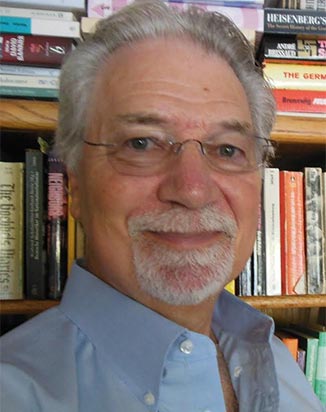
Robert P. Ericksen, Mayer Chair of Holocaust History, Emeritus, PLU
Bio:
Robert P. Ericksen is the author of Complicity in the Holocaust: Churches and Universities in Nazi Germany (Cambridge, 2012) and Theologians under Hitler (Yale, 1985), which appeared in German, Dutch, and Japanese translation and was turned into a documentary film of the same name (Vitalvisuals.com, 2005). He is co-editor with Susannah Heschel of Betrayal: German Churches and the Holocaust (Fortress, 1999) and has served on the Board of Editors of Kirchliche Zeitgeschichte since this journal was founded in 1988. He also is Chair of the Committee on Ethics, Religion and the Holocaust at the U.S. Holocaust Memorial Museum.
Thursday, October 26
Presentation Title:
“German Genocide in Africa and the Third Reich: Imperialism, Race, and Sexual Violence”
Who:
Dr. Baer is the Research Professor of English and African Studies at Gustavus Adolphus College.
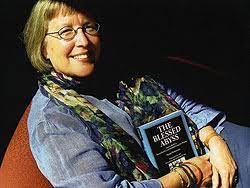
Bio:
Elizabeth R. Baer serves as Research Professor of English and African Studies at Gustavus Adolphus College in St. Peter, Minnesota. She is currently working at the United States Holocaust Memorial Museum in Washington, DC, doing research for the Senior Historian Division. In 2016-2017, Dr. Baer held the position of Ida E. King Distinguished Visiting Scholar of Holocaust Studies at Stockton University in New Jersey where she taught courses on Holocaust literature, Women and the Holocaust, and on the Herero Genocide.
She has published five books on the topics of war, gender, and genocide:
- Shadows on My Heart: The Civil War Diary of Lucy Buck of Virginia (1997)
- The Blessed Abyss: Inmate #6582 in Ravensbrück Concentration Camp for Women
(2000), co-edited with Dr. Hester Baer, a critical edition of a Holocaust memoir originally published in Germany in 1946. - Experience and Expression: Women, the Nazis, and the Holocaust (2003), co-edited with Dr. Myrna Goldenberg, an anthology of essays on gender and the Holocaust.
- The Golem Redux: from Prague to Post-Holocaust Fiction (2012), which traces the intertextual appropriation of the golem legend in contemporary Jewish-American fiction, graphic novels, comics, The X-Files, and films.
- The Genocidal Gaze: From German Southwest Africa to the Third Reich, the focus of her talk this evening. The Genocidal Gaze was published by Wayne State UP in 2017 and by the University of Namibia Press in Africa in 2018.
Dr. Baer was invited to speak at the launch of the book in Namibia. The Genocidal Gaze is also available as an e-book, an audio book, and is the subject of a podcast by New Books Review and several other podcasts.
Her new research focuses on sexual violence during German colonization of Africa and in the Holocaust. She recently published an essay on this topic in the Palgrave Handbook of Holocaust Literature and Culture. Dr. Baer delivered the Lazaroff Lecture in Jewish History at Ohio University in 2022, and is a frequent speaker on podcasts and in person.
Presentation Title:
“For Land and Life”: Outposts of the German Empire after World War One
Who:
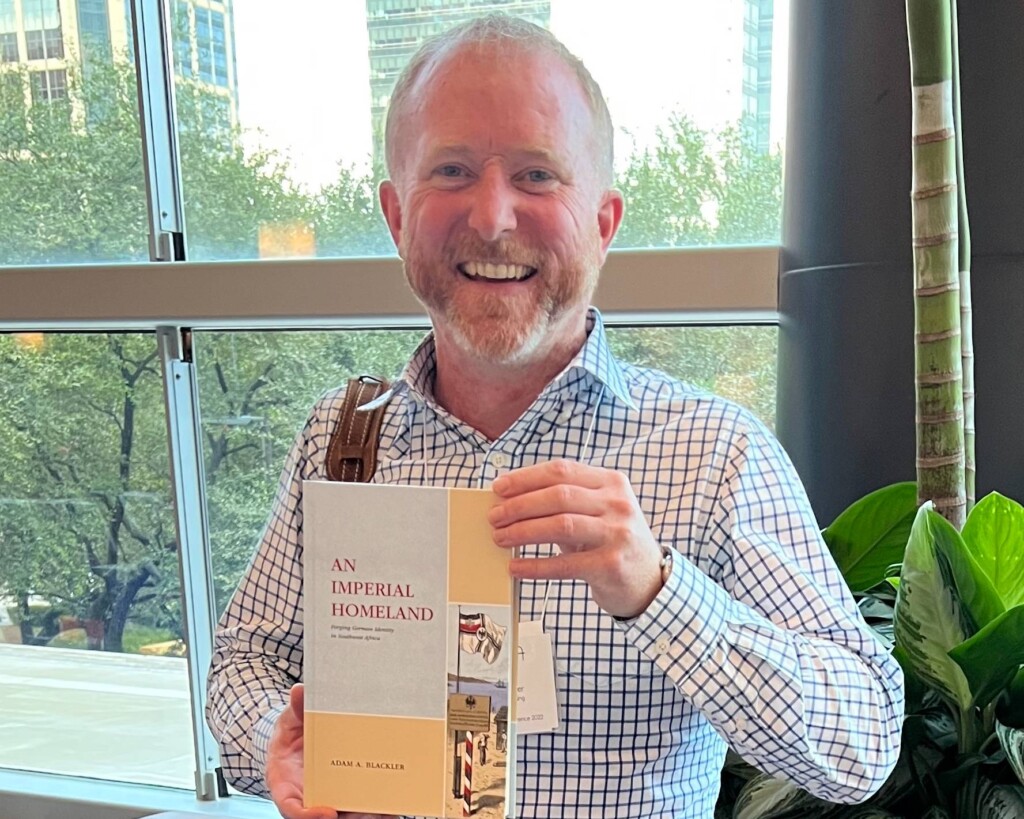
Dr. Blackler is Associate Professor of History at University of Wyoming
Bio:
Dr. Adam A. Blackler is an associate professor of history at the University of Wyoming. His first book, entitled An Imperial Homeland: Forging German Identity in Southwest Africa, appeared in September 2022 in the Pennsylvania State University Press’s series “Germans Beyond Europe” sponsored by the Max Kade Research Institute. Among Dr. Blackler’s other recent publications include a co-edited anthology, entitled After the Imperialist Imagination: Two Decades of Research on Global Germany and Its Legacies and a chapter in the multi-volume collection, A Cultural History of Genocide. He was the recipient of the University of Wyoming’s Extraordinary Merit in Research Award in 2022. Dr. Blackler is presently researching a second book-length project, entitled “We remain loyal to the Fatherland!”: Outposts of Empire in Weimar Germany. This book explores how former colonists used imperial galas, cemeteries, memorials, sensationalist films, and literature to educate their fellow white citizens about the necessity of empire and its place in German history during the Weimar Republic.
Convener:
Dr. Heather Mathews, Chair, Associate Professor of Art & Design, Gender, Sexuality, and Race Studies, Holocaust and Genocide Studies
Bio:
Heather joined the Department of Art and Design in 2007. She earned her B.A. in Art History and German from Hood College and her M.A. and Ph.D. in Art History from the University of Texas at Austin.
Her specialization is the German art of the Cold War period, and she is interested in all aspects of German cultural and history. Her research and publications are focused on the role of the artist in public discourse in East and West Germany, as well as on the exhibition of contemporary art as a cultural and political force in the Cold War era and today. Her most recent work deals with contemporary art and cultural integration.
In addition to teaching on topics such as gender issues, identity, and memory in modern and contemporary art, Heather is Coordinator of the University Gallery (including the University Gallery Annex and the Karen Hille Phillips Gallery) and manages the University’s Permanent Art Collection.
Presentation Title:
“Slovakia and the Inability to Confront the Past: Slovakia’s Turbulent Relationship with the First Slovak Republic and the Holocaust.”
Who:
Austin Karr

Presentation Title:
“The Application of the “Bloodlands Theory” to the Great Lakes Region of Africa and the Tutsi Diaspora”
Who:
Anna Marko
Bio:
Anna Marko is a junior at Pacific Lutheran University. She is currently working towards three bachelor’s degrees: English Literature, History, and Holocaust and Genocide Studies. After graduating in the Spring of 2025, she plans on attending graduate school to pursue a Ph.D. in either Genocide Studies or History.
Convener:
Dr. Rona Kaufman, Professor of English, Director of First Year Experience Program, Director of the Writing Center, PLU
Bio:
Rona Kaufman is a Professor of English, Director of the First-Year Experience Program, and Director of the Writing Center at Pacific Lutheran University. Her areas of expertise include writing studies, literacy, creative nonfiction, and the English Language. She won a Faculty Excellence Award in Mentoring in 2016-2017 from PLU and the Graves Award in the Humanities in 2008. With Dr. Giovanna Urdangarain, she is working on a project about the Jewish diaspora in Uruguay, which includes gathering testimony from Jewish refugees and their children. Rona is also writing a series of essays about marriage, motherhood, and migration.
Presentation Title:
“Vichy and the Jews of Tunisia at the Crossroads of Colonialism and the Shoah”
Who:
Dr. Peterson is an Assistant Professor at Florida International University and a faculty affiliate in the Holocaust and Genocide Studies Program at FIU
Bio:
Terrence Peterson is Assistant Professor of History at Florida International University, and a faculty affiliate in the Holocaust and Genocide Studies Program. His work focuses on France and North Africa in the 20th century, with a particular focus on decolonization, migration, and war. He has published in several journals including the Joural of Social History and the Journal of Contempory History, and he has a book forthcoming with Cornell University Press entitled Revolutionary Warfare: How the Algerian War Made Modern Counterinsurgency. His current research examines the nearly seventy-year history of the Rivesaltes Camp in southern France, which served variously as a site to house Spanish Civil War refugees, to confine Jews under Vichy, to intern Algerians fleeing the violence of independence, and to sequester undocumented migrants for deportation until its closure in 2007.
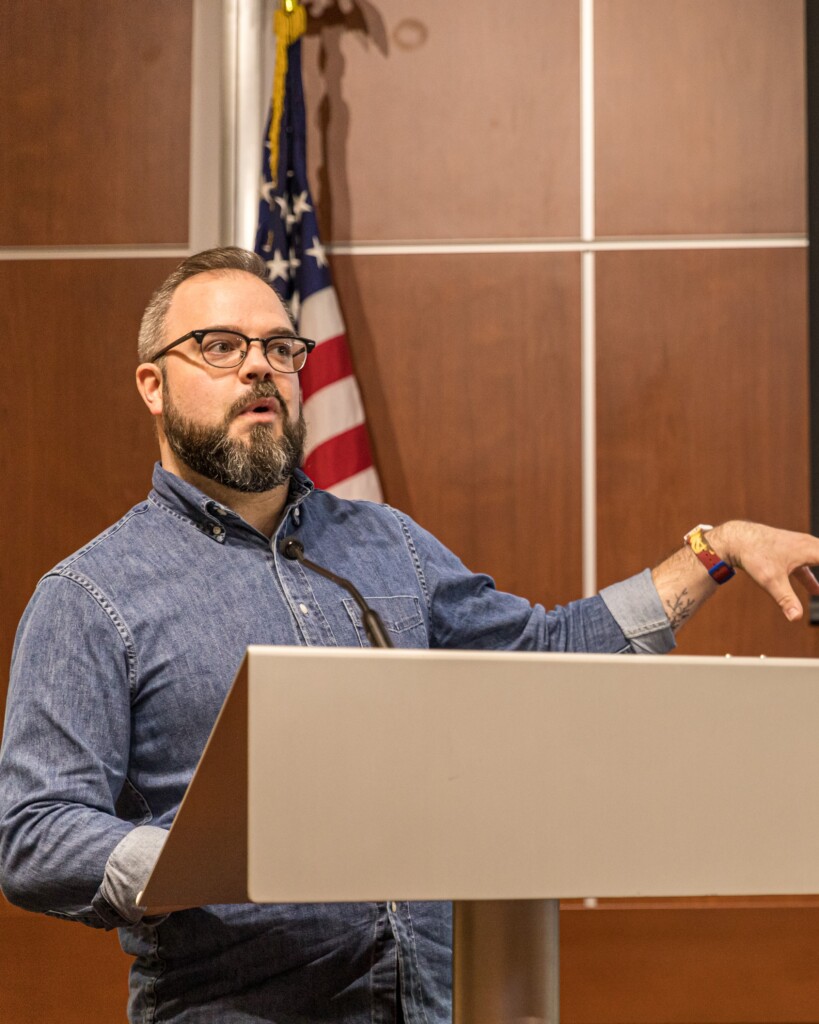
Presentation Title:
“Holocaust Victims in a Colonial Context: Contested Claims to Compensate Jews in North Africa during World War II”
Who:
Dr. Schroeter is the Amos S. Deinard Memorial Chair in Jewish History and Professor of History at the University of Minnesota
Bio:
Daniel J. Schroeter is the Amos S. Deinard Memorial Chair in Jewish History and Professor of History at the University of Minnesota. He was the 2014-2015 Ina Levine Scholar-in-Residence at the Jack, Joseph and Morton Mandel Center for Advanced Holocaust Studies of the United States Holocaust Memorial Museum. Schroeter has written extensively on the history and historiography of Morocco and the Jews of North Africa and the Middle East in premodern and modern times. His works include The Sultan’s Jew: Morocco and the Sephardi World and Merchants of Essaouira: Urban Society and Imperialism in Southwestern Morocco, 1844-1886; both books were translated to Arabic and published in Morocco. He is co-editor of Jewish Culture and Society in North Africa, and is currently co-authoring a book with Aomar Boum on Morocco and the Holocaust: The Story of King Mohammed V Saving the Jews during World War II.
Convener: Rabbi Bruce Kadden, PLU
Bio:
Bruce Kadden is rabbi of Temple Beth El in Tacoma and Adjunct Professor in the Religion Department, part of Holocaust and Genocide Studies faculty, and Affiliate Chaplain at PLU. He and his wife Barbara of blessed memory are authors of three books in Jewish education. He was the editor of a symposium on the theme of “Poetry after Auschwitz” that appeared in the Journal of Reform Judaism in Winter 2015 comprised of articles by PLU faculty. He earned his B.A. in Religious Studies from Stanford University and was ordained as a rabbi at Hebrew Union College-Jewish Institute of Religion.
Presentation Title:
“The Holocaust and Transitional Justice in Africa”
Who:
Professor Akinrinade is Assistant Professor of Human Rights at Fairhaven College of Interdisciplinary Studies and associate director of the Ray Walpow Institute for the Study of the Holocaust, Genocide and Crimes Against Humanity at Western Washington University.
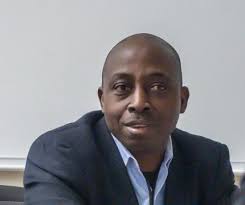
Bio:
Babafemi Akinrinade joined Fairhaven as Assistant Professor of Human Rights from the University of Chicago’s Human Rights Program and Center for International Studies where he was a post-doctoral instructor for two years. Babafemi Akinrinade holds the LL.M. and J.S.D. degrees in International Human Rights Law of the University of Notre Dame Law School, as well as the LL.B. and LL.M. degrees of the Obafemi Awolowo University, Ile-Ife, Nigeria. He was a fellow at the Center for Civil and Human Rights, Notre Dame Law School (2005-2006) and from 2003 – 2004, he was the Andrew W. Mellon Foundation Post-Doctoral Fellow (and co-Instructor) for the Sawyer Seminar on Comparative Truth and Reconciliation Process at the Center for International Human Rights, Northwestern University Law School, Chicago. He was admitted to the Nigerian Bar in 1988, and between 1992 and 2002, he was a Lecturer in Law at the Faculty of Law, Obafemi Awolowo University, Ile-Ife, Nigeria (1992-2002). His research interests include state collapse and human rights, transitional justice, international humanitarian law, and the political, security and socio-economic relations of African States. Interest Areas International Law, International Human Rights & Humanitarian Law, The Holocaust, Genocide and Mass Atrocities, Transitional Justice, Africa. Research & Publications The Holocaust: Framework for Responding to Genocide and Mass Atrocities, in Charlotte Schallié, Helga Torson, and Andrea Van Noord, eds., After the Holocaust: Human Rights and Genocide Education in the Approaching Post-Witness Era (Regina, Saskatchewan, Canada: University of Regina Press, 2020) Nigeria, in Fulvio Maria Palombino, ed., Duelling for Supremacy: International Law vs National Fundamental Principles (Cambridge, UK: Cambridge University Press, 2019)
https://www.cambridge.org/core/books/duelling-for-supremacy/C42834425188… Judging the Impossible: Kapos and Justice after the Holocaust, Reflections: Auschwitz Jewish Center Annual Alumni Journal (Winter 2017) Democratizing International Law-Making, in Olufemi Elias, and Charles Jalloh, eds., Shielding Humanity: Essays in International Law in Honor of Judge Abdul G. Koroma, (Utrecht, The Netherlands: Martinus Nijhoff Brill, 2014). Nigeria, in Dinah Shelton, ed., International Law And Domestic Legal Systems: Incorporation, Transformation And Persuasion (Oxford and New York: Oxford University Press, 2011) Human Rights & State Collapse in Africa, Utrecht, The Netherlands: Eleven International Pub.; Portland, OR: International Specialized Book Services, 2009.
Keynote Address: “Wartime North Africa”
Who:
Sarah Abrevaya Stein, Sady and Ludwig Kahn Director of the Alan D. Leve Center for Jewish Studies and the Viterbi Family Chair in Mediterranean Jewish Studies at UCLA.
Bio:
Sarah Abrevaya Stein is Sady and Ludwig Kahn Director of the Alan D. Leve Center for Jewish Studies, and Viterbi Family Chair in Mediterranean Jewish Studies at UCLA. She is the author and editor of ten award-winning books, including, most recently, Wartime North Africa: a Documentary History, 1934-1950 (co-edited with Aomar Boum, Stanford University Press, 2022) and Family Papers: A Sephardic Journey Through the Twentieth Century (FSG/Macmillan, 2019).
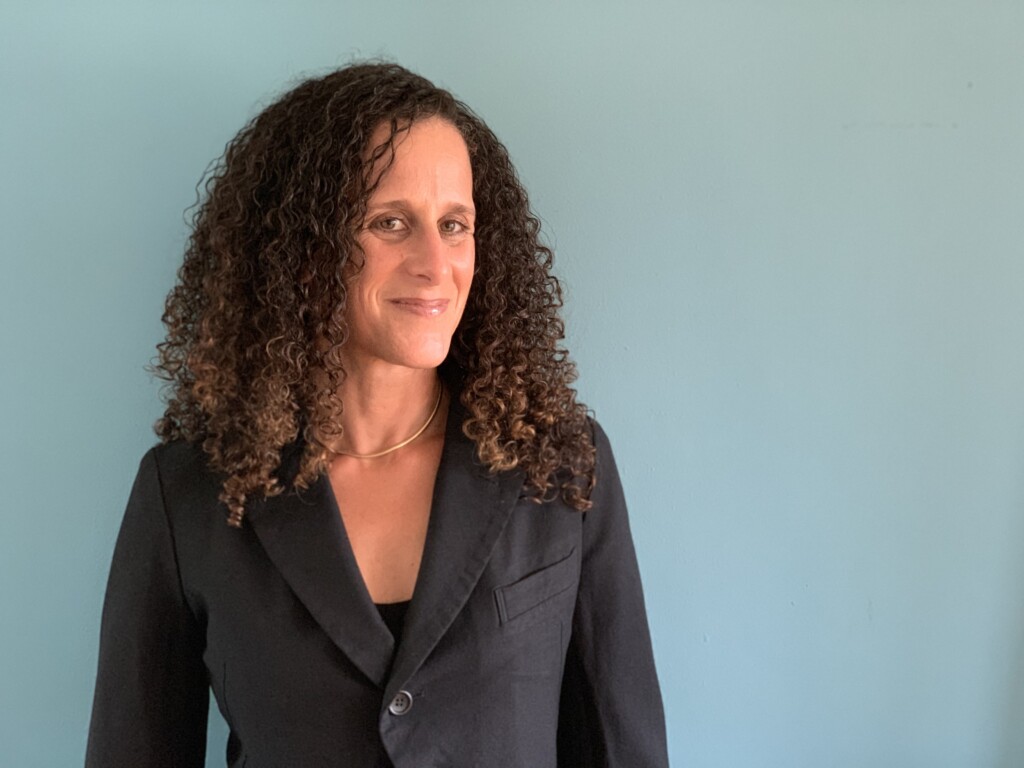
Convener:
Dr. Christopher R. Browning, Frank Porter Graham Professor of History at University of North Carolina
Bio:
Christopher R. Browning was the Frank Porter Graham Professor of History at the University of North Carolina-Chapel Hill until his retirement in May 2014. Before taking up this position in the fall of 1999, he taught for 25 years at Pacific Lutheran University in Tacoma, Washington.
Browning received his B.A. degree from Oberlin College in 1967 and his M.A. and Ph.D. from the University of Wisconsin-Madison in 1968 and 1975 respectively. He is the author of eight books: The Final Solution and the German Foreign Office (1978), Fateful Months: Essays on the Emergence of the Final Solution (1985), Ordinary Men: Police Battalion 101 and the Final Solution in Poland (1992), The Path to Genocide (1992), Nazi Policy, Jewish Workers, German Killers (2000), Collected Memories: Holocaust History and Postwar Testimony (2003), and The Origins of the Final Solution: The Evolution of Nazi Jewish Policy, September 1939-March 1942 (2004), and Remembering Survival. Inside a Nazi Slave Labor Camp (2010). He is also co-editor of Every Day Lasts a Year: A Jewish Family’s Correspondence from Poland (2007).
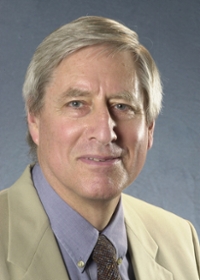
Browning has served as the J. B. and Maurice Shapiro Senior Scholar (1996) and Ina Levine Senior Scholar (2002-3) at the U.S. Holocaust Memorial Museum. He has been a fellow of the Institutes for Advanced Studies in Princeton, New Jersey, and on the campus of the Hebrew University of Jerusalem. He has also received Fulbright, Alexander von Humboldt, DAAD, and Woodrow Wilson Foundation fellowships. He has delivered the George Macaulay Trevelyan Lectures at Cambridge University (1999) and the George L. Mosse Lectures at the University of Wisconsin-Madison (2002), as well as the lectures of the Bertelsmann Visiting Professorship at Mansfield College, Oxford University (2007). He is a three-time recipient of the Jewish National Book Award—Holocaust Category, for Ordinary Men, The Origins of the Final Solution, and Remembering Survival. For this last book he is also a recipient of the Yad Vashem International Book Prize for Holocaust Research. He was named a fellow of the American Academy of Arts and Sciences in 2006.
Browning has served as an expert witness in “war crimes” trials in Australia, Canada, and Great Britain. He has also served as an expert witness in two “Holocaust denial” cases: the second Zündel trial in Toronto in 1988 and in David Irving’s libel suit against Deborah Libstadt in London in 2000.
Friday, October 27
Presentation Title:
Story of a Tunisian young girl facing with her family the Holocaust and the Point of No Return and finding her growth in France, Israel Canada, and United States.
Who:
Jacqueline Semha Gmach
Bio:
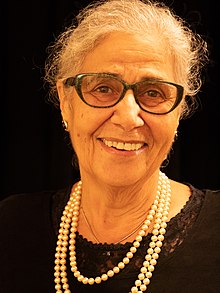
Jacqueline Semha Nataf Gmach is a Tunisian-born, Sorbonne-trained American educator. Her work focuses on Jewish culture, Sephardic history, and preserving the artistic achievements of people victimized by the Holocaust. She is the author of FROM BOMBOLONI TO BAGEL: The Story of Two Worlds and The Antiphonary of Love: The Call of the Scroll.
Convener:
Paul V. Regelbrugge, Director of Education, Holocaust Center for Humanity
Bio:
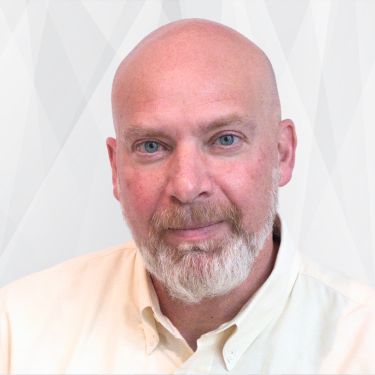
Paul V. Regelbrugge is the Director of Education for the Holocaust Center for Humanity. A former attorney, Paul then taught in the inner cities of Chicago and Buffalo, as well as in Spokane and Kent, Washington. Paul is a USHMM Teacher Fellow, Powell Teacher Fellow, Alfred Lerner Teaching Fellow, The Olga Lengyel Institute (TOLI) Fellow, and a Gonzaga University adjunct professor. He is also the author of “The Yellow Star House: The Remarkable Story of One Boy’s Survival in a Protected House in Hungary,” and co-author of the graphic novel, “More Than Any Child Should Know: A Kindertransport Story of the Holocaust.“
Presentation Title:
“History and Memory: The Story of One Family in Sfax, Tunisia during the German Occupation of Tunisia”
Who:
Dr. Haim Saadoun, Ben Zvi Institute, and the Open University
Bio:
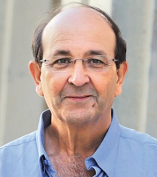
Dr. Haim Saadoun is a professor emeritus at the Open University in the Department of History, Philosophy, and Judaic Studies in Israel and he is the Director of the Center for Documentation on North African Jewry During World War II, The Ben Zvi Institute for the Study of Jewish Communities in the East, Jerusalem. He is also a member of the academic committee of the International Institute for Holocaust Research, Yad Vashem. Dr. Saadoun earned his Ph.D. in 1993, at the Institute of Contemporary Jewry, The Hebrew University, Jerusalem. He has dedicated the past 25 years to researching the Jewish experience in North Africa.
Convener:
Lexi Jason, Education Program Manager, Holocaust Center for Humanity
Bio:
Lexi Jason is the Education Program Manager at the Holocaust Center for Humanity. Previously, she taught Holocaust Literature at Pacific Lutheran University and, before that, managed the Speakers Bureau at the Museum of Jewish Heritage – A Living Memorial to the Holocaust. Lexi is always happy to return to her alma mater of PLU, where she received a minor in Holocaust and Genocide Studies before moving on to earn a masters in Holocaust Studies from Royal Holloway, University of London.
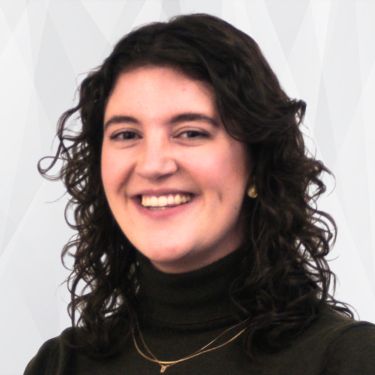
Presentation Title:
Visit to Morocco with us
Who:
Dr. Benny Furst is a teaching fellow at the Hebrew University of Jerusalem and in the Technion.
Bio:
Dr. Benny Furst earned his B.A., M.A., and a doctoral degree from the Hebrew University of Jerusalem in political sciences, geography, and urban planning, respectively. A geographer, he worked for many years at the planning division of the Israeli Ministry of Environmental Protection, and today he is a teaching fellow at the Hebrew University of Jerusalem and in the Technion. He is a leading guide in Egypt, teaching about its many-layered history.
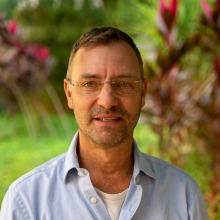
Convener:
Steven Koenig
Bio:
Steven K. is the son of a Dachau concentration camp Holocaust survivor and the nephew of an Auschwitz concentration camp Holocaust survivor. He is the 2018 Zachor Award Recipient from the Jewish Federation of Sarasota Manatee for Holocaust Awareness Studies. He was a Powell Teacher Fellow in 2023 at the Seattle Holocaust Center for Humanity, Powell Summer Teaching Institute.